We paid a visit to the Point Reyes Farmstead Cheese Co. where we spent a wonderful, fog-laden afternoon with Point Reyes Farmstead Cheese Co. Co-Owner and CMO Jill Giacomini Basch and Jennifer L. Luttrell, the Executive Chef and Culinary Director.
Basch and Luttrell prepared a gorgeous—and royally delicious—cheese board for us. They offered pairing advice for our wines so that you can give the perfect wine and cheese to friends and family. We’ve published the conversation in two parts. The first part is Bubbles and Cheese, and this second part features four pairings.
The Point Reyes Farmstead Cheese Company is a women-owned small business and has even been awarded the official certification from The Women’s Business Enterprise National Council (WBENC). So, order your wine, order your cheese, and toast this year to you, your family, all you’ve overcome in the last year, and make sure to fill mom’s glass just a bit higher each time you come around asking ‘who wants more vino?!’
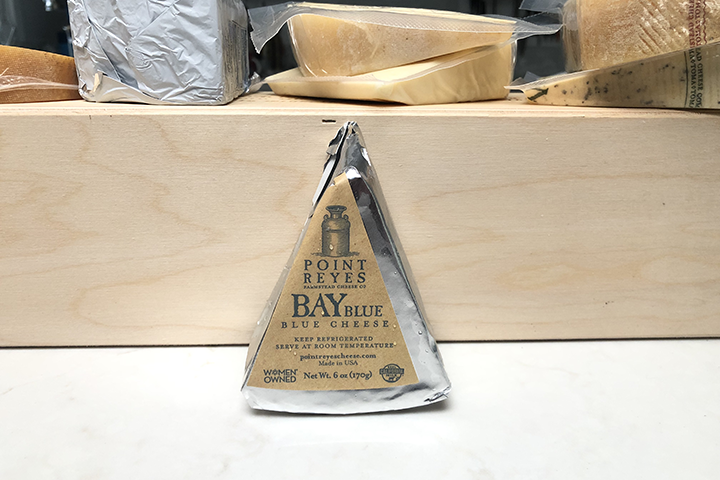
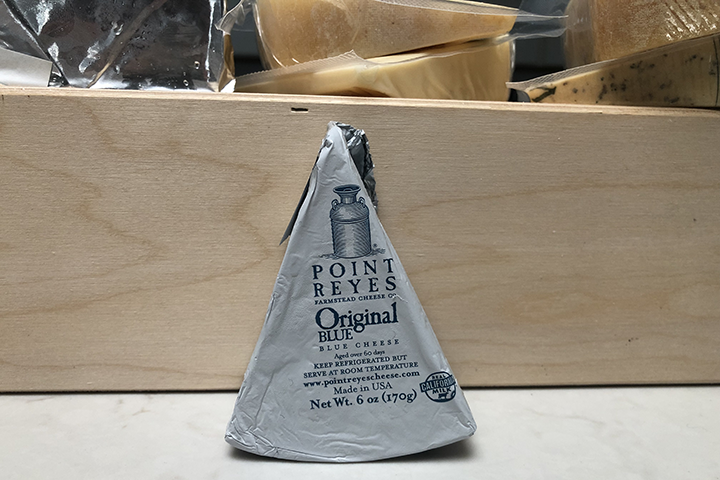
BAY BLUE
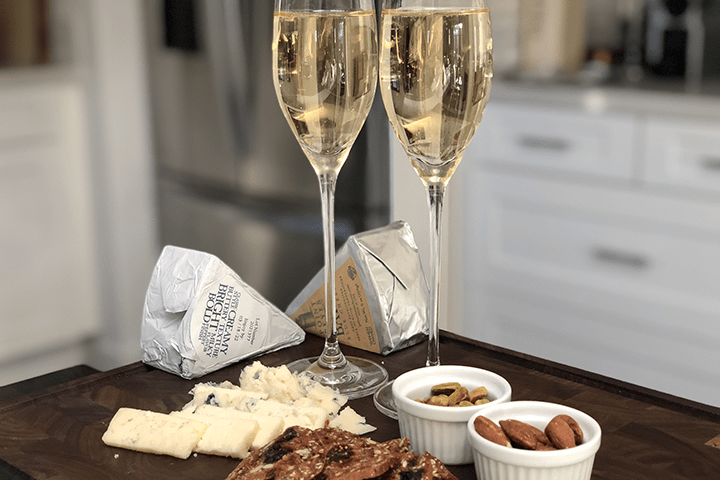
This is a milder blue made with a traditional rennet which delivers a more umami flavor and salty texture with a salted caramel finish. “It’s the gateway blue for most,” says Basch, “it’s mellow and more like a Stilton.
COOK: Add on top of apple pie or sprinkle into a persimmon arugula salad. Melt into a butternut squash-infused macaroni and cheese! But on its own, it’s just creamy and gorgeous with unexpected layers.
BAY BLUE WINE PAIRING: This is an ideal accompaniment to a creamy white, or even a sweet wine, though a laser-focused rosé would come alive, and of course, you can’t go wrong with sparkling.
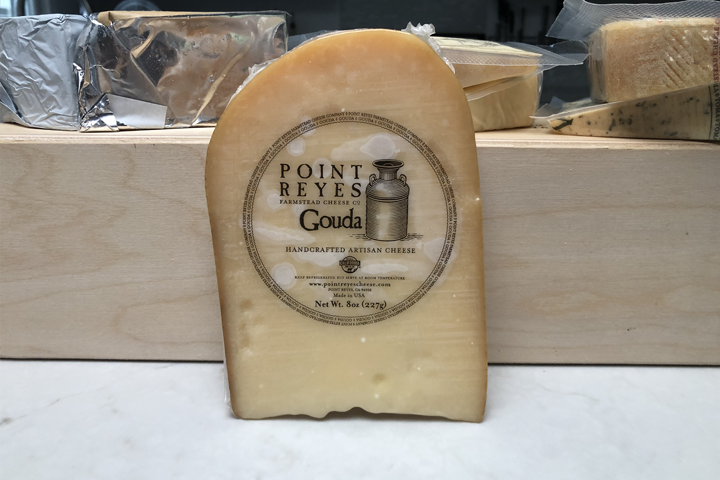
Here is a royally unexpected rendition of Gouda—DO NOT SCROLL PAST THIS! Aged 16-18 months, it has excellent butterscotch notes. The cheese is flecked with protein crystals, which are naturally created in aged cheese. The crystals that form result from a breakdown of amino acids and not the oft-mistaken assumption that these are salt crystals.) Think of the ‘crunch’ in a hunk of Parmigiano Reggiano. “I call them ‘flavor pops,’” says Basch, “that develop after about 12-14 months of aging. At about 16 months, you still get the buttery quality, and those flavor pops, but the cheese is not overly acidic—it’s still balanced.”
COOK: This is as creamy and butterscotchy as Gouda gets! It pairs well with dark chocolate, like Tcho 68% dark (which is what we had it with, and this was an unstoppable pairing, one we couldn’t stop eating—so good. You could also try it shaved over the marshmallow in s’mores, or—get this—shaved over dark chocolate ICE CREAM!
GOUDA WINE PAIRING: Because this cheese pairs so well with chocolate, here is your perfect red wine pairing—but a red wine that also has decadent, rich chocolate, mocha, or cacao notes (from aging in oak). You could pair any of our big, bold Cabernet Sauvignons’ with this and be content—for as long as the cheese, and the wine last. And don’t be afraid to pull out your favorite Tawny Port or settle into a cozy chair in your study to take a quiet moment away, and bring your a hunk of Gouda and your favorite Scotch.
You might want to give up and just order POUNDS and POUNDS of this cheese. It was our favorite—though, challenging to admit because all these cheeses are so balanced and flavorful.
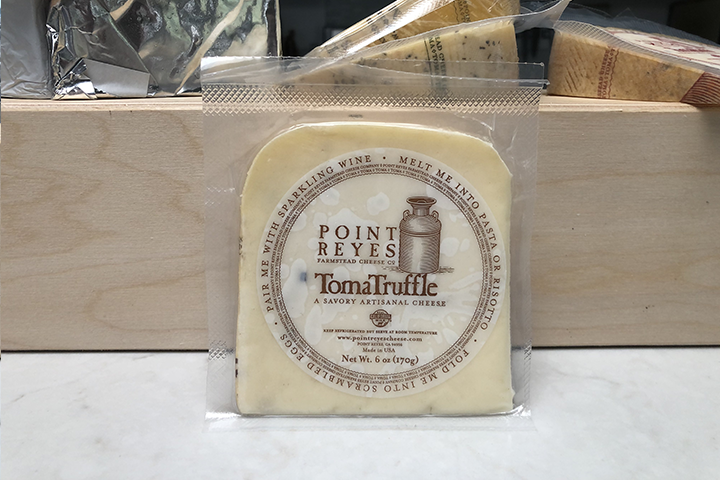
The TomaTruffle is made with Sabatino Black Truffle paté—not an oil. The result is, admittedly, our favorite creation—one that isn’t overtly truffly but is creamy, with aromatic pops of decadent, earthy black truffles.
COOK: Let it melt into risotto, pasta, or elevate your favorite Mac’n cheese recipe. Try it in scrambled eggs for Brunch.
TOMA TRUFFLE WINE PAIRING: There is no other option than to snack on handfuls of this delectable cheese with glassfuls of any of our Pinot Noirs—especially the 2018 Chalk Hill 2018 Pinot Noir, a dark-berried, earthy, juicy Pinot which makes for a perfect marriage with this creamy truffle cheese.
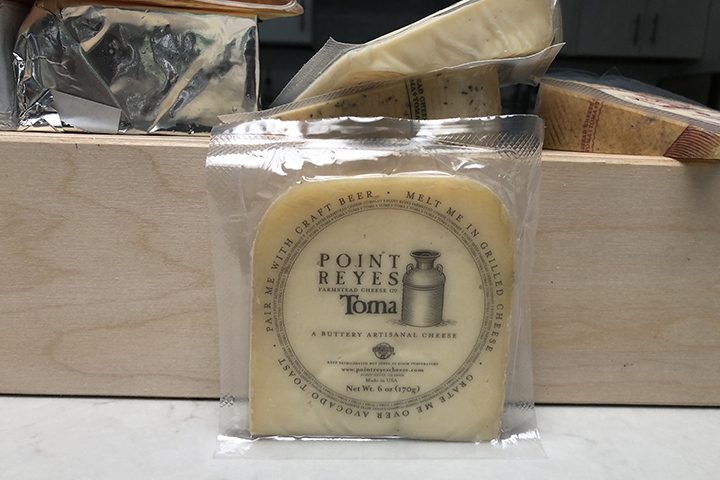
“This is really buttery and a great melting cheese,” says Chef Luttrell. “It has a grassy tang at the finish, and is very versatile. Kids love it. Foodies find it interesting.”
COOK: Shave it over roasted Brussels sprouts or salad with persimmons, almonds, and pistachios, or over any salad with a maple balsamic dressing. “It’s also so good on a cracker with salami,” offers Basch. Try it in a grilled cheese with turkey and cranberry. You could also add a little non-stick spray to parchment paper, and shave the cheese into thin layers, pop it in the oven at 375 degrees for 10-15 minutes and let it crisp up—you’ll have a crispy cheese snack in no time.
TOMA WINE PAIRING: With delicate buttery notes, you’ll want to stick to light rosé wines that don’t overpower the delicate tangy cheese or, best of all, pair a steely and crisp Sauvignon Blanc or unoaked, or lightly-oaked Chardonnay.
We paid a visit to the Point Reyes Station-based cheese company and were blown away by the inventive, creative cheeses and wine pairings we experienced. Follow these suggestions and prepare to be overwhelmed with compliments during your holiday meal celebrations.
If you want the best advice on creating a genuinely dynamic cheese platter for holiday entertaining—along with extraordinary, insider tips on wine-pairing and creatively incorporating leftover cheese into your meal, or into the next day—you have to go straight to the source.
Lucky for us, the northern California mecca of cool-climate cow’s milk cheesemaking is not too far from several of our estate wineries, so we paid a visit to the Point Reyes Farmstead Cheese Co. where we spent a wonderful, fog-laden afternoon with Point Reyes Farmstead Cheese Co. Co-Owner and CMO Jill Giacomini Basch and Jennifer L. Luttrell, the Executive Chef and Culinary Director. Basch and Luttrell prepared a gorgeous—and royally delicious—cheese board for us. They offered pairing advice for our wine gift sets so that you can give the perfect wine and cheese gifts to friends and family. We’ve broken the conversation up into two parts. Part One: 3 Dazzling Bubbles and Cheese. Part Two: 4 Decadent Wine & Cheese Pairings for your Holiday Party
WARNING: You’re about to get hungry.
COOL CLIMATE CHEESES FROM A FAMILY DAIRY FARM
This 720-acre family dairy farm located alongside Tomales Bay, California was started in the 1950s by husband-and-wife Bob and Dean Giacomini, and was reestablished as a cheese company in 2000 by Bob and Dean’s three children—Jill, Lynn, and Diana. They launched with one cheese—the Original Blue, effectively filling a huge void in small-batch blue cheese production in the U.S. Since 2009 cheesemaking has been led by husband-and-wife Kuba Hemmerling and Jennifer Luttrell, both previously at Trader’s Point Creamery outside of Indianapolis, Indiana.
Set against a stunning backdrop of lush, rolling hills overlooking the Bay, the dairy is heavily influenced by the marine air and proximity to the Pacific. Here, the temperatures remain relatively cool and consistent all year, which is critical for milk production. The farm’s roughly 450 very happy cows maintain their body weight year-round, which means the production of cream is incredibly consistent—never too much or too little milk fat.
And there are clear parallels to growing grapes in the cooler climes of Sonoma—an even-keeled season marked by cooler temperatures allows for longer hang-times of grapes, which means slow, even ripening with excellent acid retention. Translation: the wines are vibrant and energetic—and so are the cheeses.
PART ONE: BUBBLES AND CHEESE
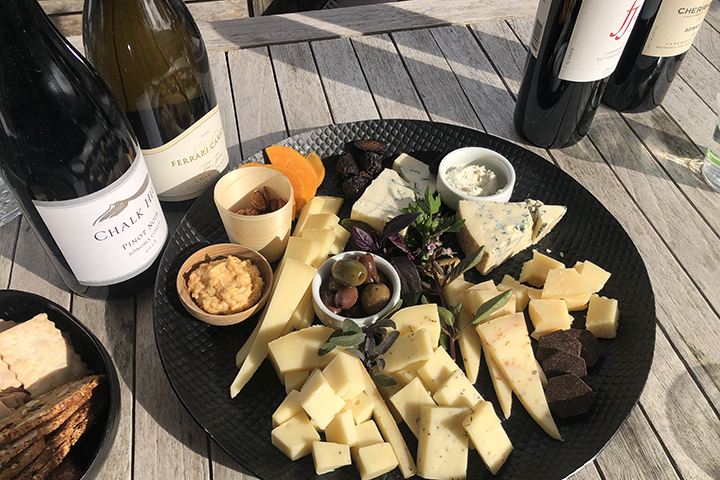
Currently, the Point Reyes Farmstead Cheese Co. produces seven kinds of cheese. Going clockwise, from noon, left to right: a slab of Original Blue is sandwiched between dried figs and a ramekin of Original Blue date spread; continuing on, the triangular chunk of Bay Blue sits just under the ramekin of date spread, and beneath that cheese are chunks of Gouda, then Tcho Chocolates; left of the chocolates are red-flecked slices of TomaRashi; then herb-flecked TomaProvence; and then TomaTruffle, above which, sits a dish of olives, and to the left are triangles of Toma; left of the Toma slices sits a small ramekin of Pimento cheese spread, then herb-spiced almonds, followed by slices of bright, orange Persimmons—and we’re back to the dried figs!
The Original Blue is a raw cow’s milk cheese (the only raw cheese they make) and is the company’s flagship cheese—it was the only cheese they made for about the first 10 years of cheese production! Peppery, bold, and full-flavored for the Blue cheese lover.
COOK: It’s terrific on a cracker with a drizzle of wildflower honey, and goes exceptionally well with jams and preserves, or fig syrup. Drop a healthy dollop on a steak or stir into hot pasta or risotto. It also creates a surprisingly decadent dessert treat when topped with ginger snap crisps!
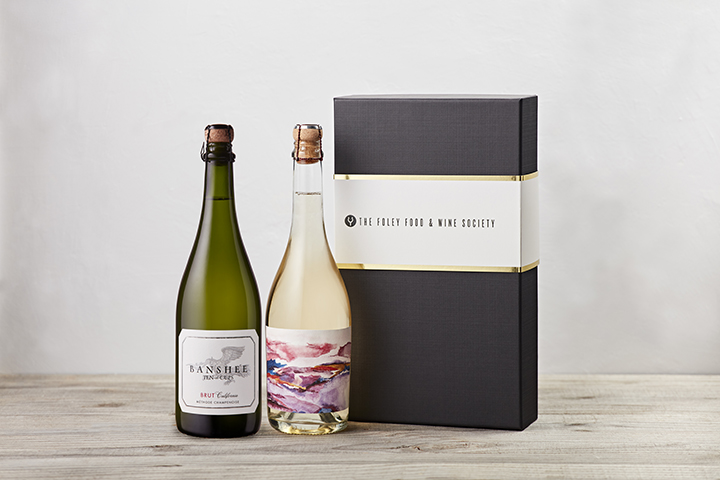
ORIGINAL BLUE WINE PAIRING: The best option would be a sparkling wine, so a no-brainer with our new Ten of Cups Méthode Champenoise Brut. Or, crack out those ginger snaps and enjoy this pairing with the baking-spice scented, creamy 2017 Ferrari-Carano Chardonnay, Alexander (in a magnum!)
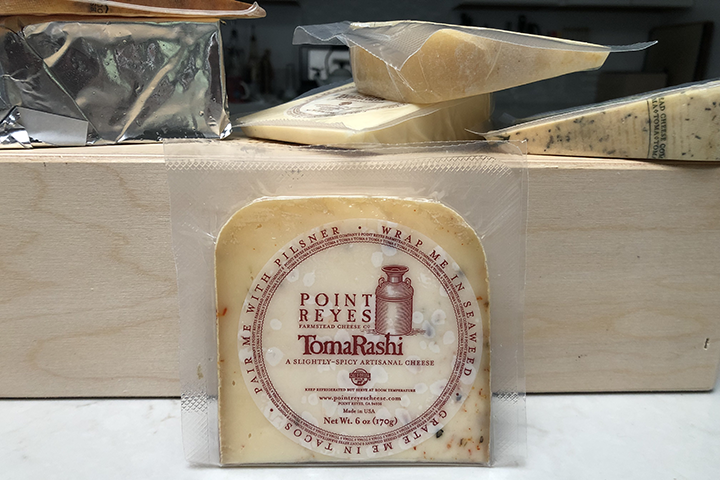
TOMARASHI
“We took our Toma and started experimenting,” says Basch of this wildly delicious cheese. The Toma is a classic, lovely, rich, creamy cheese and is the last cheese featured. But we’re following the clock on this cheese board, so we’ll begin with the ‘experiments.’
Again—a knock-out, unexpected brilliant cheese. They went with a Japanese spice called Shichimi Togarashi, a blend of seven spices (nori, toasted sesame, poppy and hemp seeds, chili flakes, and ginger.)
COOK: TomaRashi with salami? Wow. Wrapped in Nori strips? OMG. It also goes great on toast with winter squash purée. Grate or shave it on any casserole and pop it under the broiler to let it get melty or drizzle honey over it. Incorporate it into your favorite Mexican dish. Or make grilled cheese with Kimchi on slices of densely seeded multigrain bread. BAM!
TOMA RASHI WINE PAIRING: It’s not ‘fetch me some water quick’ spicy at all. It offers just a lovely bit of warmth and is surprisingly wine-friendly—sweet or sparkling, please!
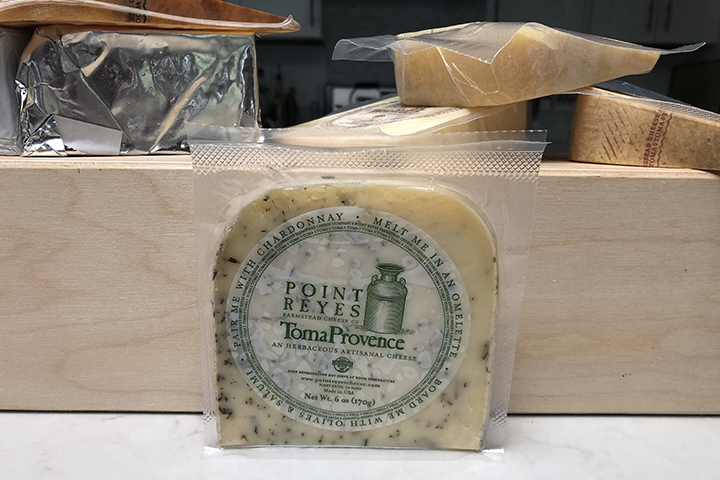
TOMAPROVENCE
Hello, and welcome to France! Toma Provence has savory rosemary thyme basil and marjoram infused and, it’s the best bite you’ll have at your Thanksgiving party.
COOK: Melt it all over roasted hot potatoes or stir into mashed potatoes. Or drop shavings into scrambled eggs the morning after Thanksgiving—or make a grilled cheese.
TOMA PROVENCE WINE PAIRING: This is a dead-ringer pairing for herbaceous Sauvignon Blanc or spicy, crisp Chardonnay.
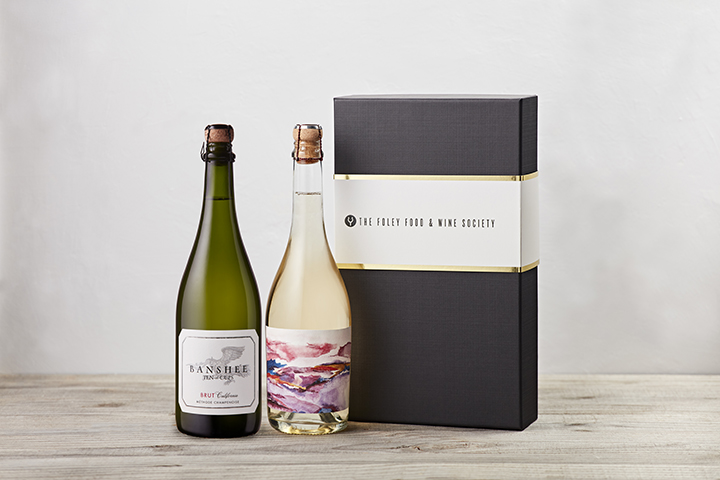
Add our Double Bubbles wine gift set to any of these three cheeses and you’ve got the perfect gift to give the entertainer in your life OR to host an easy, delicious holiday gathering of your own.
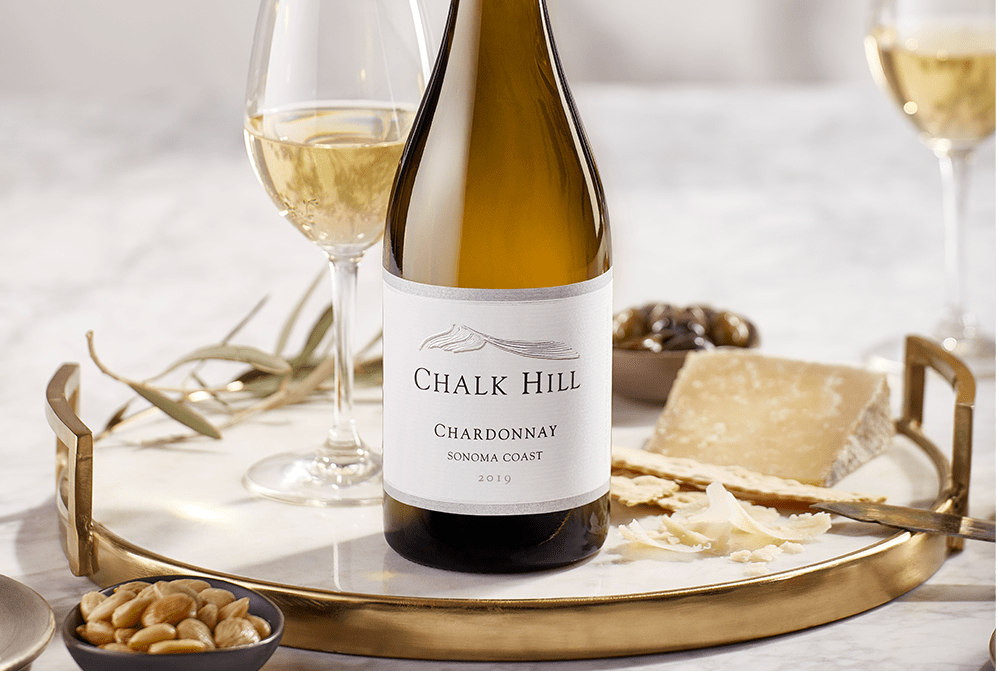
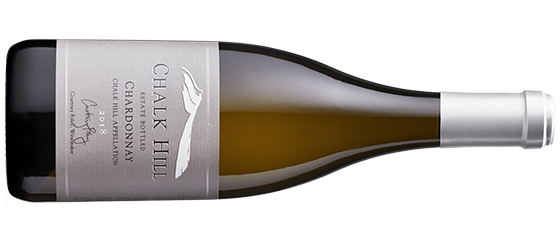
Chalk Hill Estate Vineyards & Winery, the iconic winemaking estate of Sonoma County, has been named to the Wine Spectator Top 100 list for 2021. The Chalk Hill 2019 Sonoma Coast Chardonnay placed #84 on the annual list of the world’s best wines. Earlier this year, Wine Spectator’s Kim Marcus awarded the wine 91 points in their review:
“Well-integrated flavors of Gala apple and ripe Bosc pear are swathed with creamy richness in this broad-textured style, with cooking spice accents lingering on the mouthwatering finish. Drink now through 2024.”
This is the sixth wine produced by Foley Family Wines to earn a spot on one of the wine industry’s most celebrated lists. The five FFW wines previously making the list include…
The Four Graces 2017 Reserve Pinot Noir, Dundee Hills (#29, 2020)
The Four Graces 2015 Pinot Noir, Willamette Valley (#50, 2018)
Foley Family Wines Second-Generation Vintner Courtney Foley celebrated the placement, saying, “We are honored to be recognized by Wine Spectator in their coveted Top 100 Wines list. Crafting beautiful and expressive Chardonnay has long been the mission at Chalk Hill. As we come into our 50th year anniversary at the Estate (in 2022), this honor speaks to years of clonal trials, and to the unwavering dedication and focus of our vineyard and production teams. What a thrill for all of us!”
Chalk Hill Estate Vineyards & Winery was founded in 1972 with a vision to plant grapes along the diverse terrain of Sonoma County’s rolling hills. Chalk Hill Winery lies within a small AVA which bears the same name and has been producing highly acclaimed wines led by its flagship Estate Chardonnay. Meticulous attention to detail, decades of clonal research, sustainable viticulture practices and a minimalist approach to winemaking all combine to produce wines of character, richness and elegance.
While the estate vineyards are the cornerstone of Chalk Hill’s identity, the Sonoma Coast tier of wines represents a selection of vineyard sites grown to exceptional cool climate fruit primarily in the Russian River and neighboring Sonoma Coast AVAs.
The holidays are all about tradition and nostalgia. Even the most avant-garde chefs tend to stick to the classics when preparing a holiday menu—they might make a creative tweak or two, but the usual beloved suspects are always there. It’s only fitting that your wine pairings should follow suit.
The classics are classics for a reason; they’re tried and true, perfected over many decades of joyous celebration. Pinot noir and turkey, cabernet sauvignon and roast beef, sparkling wine and dessert—these are the pairings that work.
Skip the experimental pairings; this isn’t the time to try out a roast pork and petit verdot combo. Save your oxidized Jura whites and funky pét-nats for another occasion. Let the focus of your holiday meal be on long-held traditions, delicious comfort foods, and the wonderful company of your loved ones. These simple pairing tips for each course will make it easy!
APPETIZERS When you welcome your guests, start with something light and refreshing to accompany appetizers like gougères, smoked salmon blinis, or an artfully arranged spread of cheeses and meats with a roasted garlic hummus with smoked paprika. You’ll want a crisp, high-acidity wine, like bubbles, rosé or pinot gris, to balance out the richness of your hors d’oeuvres. Try a silky Oregon pinot gris like 2020 The Four Graces Pinot Gris, which offers a burst of refreshing tropical and citrus fruit tinged with fragrant floral notes, or a vibrant rosé like 2020 Sebastiani Rosé that delights with juicy flavors of strawberry and watermelon and elegant rose petal accents.
VEGGIES AND SIDES Everyone knows that the sides are the best part of the holiday meal! With so many varied options on the table, it can seem challenging to find a wine to suit them all—you may have brussels sprouts, green beans, soufflé, mashed potatoes, butternut squash, and macaroni and cheese all being served at once, and perhaps a vegetarian entrée as well! The key is to find a mid-weight white or a light red that can support the weight and fat of the heartier foods without overpowering the lighter dishes. Chardonnay, chenin blanc, or a white Bordeaux-style blend are all ideal choices. The 2020 Three Rivers Artz Vineyard Sémillon/Sauvignon Blanc Blend beautifully combines the crisp citrus and intriguing aromatics of sauvignon blanc with the creamy, elegant palate of sémillon.
Another great option is our Chardonnay Showstoppers set, which includes three textured, balanced Foley Family favorites: Ferrari-Carano 2019 Tré Terre Chardonnay, Chalk Hill 2019 Estate Chardonnay, and Sebastiani 2019 Patrick’s Chardonnay.
For red wine drinkers, you can offer a light red like pinot noir—2017 Lincourt Rancho Santa Rosa Pinot Noir is a cool-climate beauty from the Sta. Rita Hills that shines with delicate strawberry and cherry fruit spritzed with an irresistible spiced floral perfume.
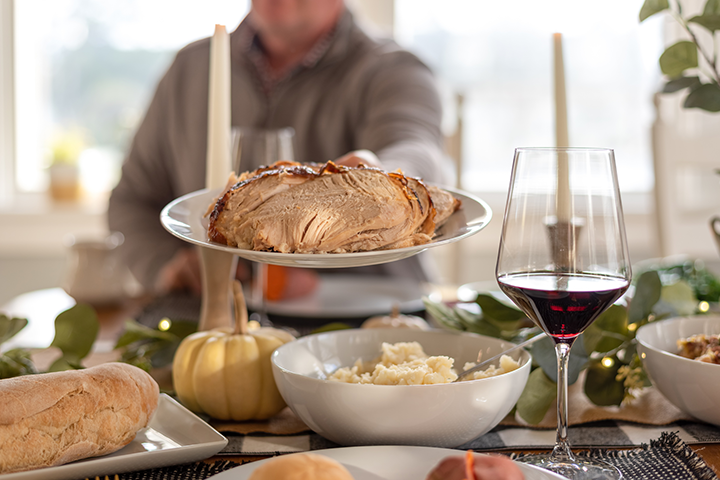
MAIN COURSE Whichever meat you choose to serve for the main event, there’s a perfect pairing to make it sing. If you’re going with lighter meat, like pork, ham, duck, chicken, or turkey, stick to light, fruity reds with soft tannins, like pinot noir or grenache. Try 2017 Chalone Vineyard Estate Grenache, with smoky berry notes, to complement barbecued or smoked dishes, or the earthy, strawberry-and-rose kissed 2017 The Four Graces Foley Family Vineyard Pinot Noir alongside more delicate preparations.
For lamb, up the ante with a warming, spicy syrah or a juicy petite sirah or zinfandel. 2016 Banshee Broken Leg Vineyard Syrah is an Old World-style stunner from the Anderson Valley that offers savory, complex dark fruit, floral fragrance, and spice.
If you’re serving roast beef or prime rib, you’ll want a sturdy, structured wine with deep, inky fruit, like cabernet sauvignon, malbec, or petit verdot. 2018 Chalk Hill Malbec Petit Verdot is an alluring option with dark, powerful fruit, sophisticated leather and cigar box accents, and dense, chewy tannins.
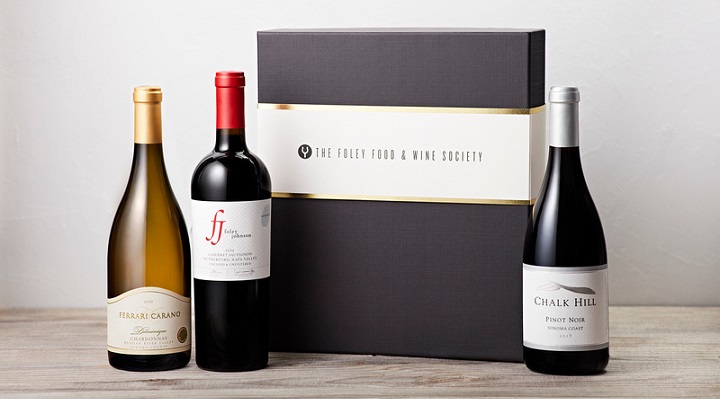
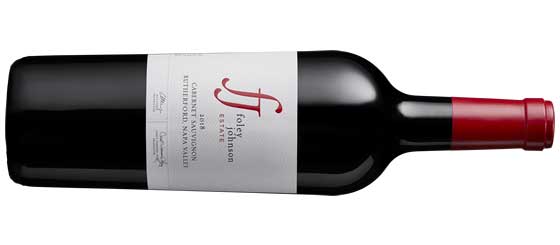
If you’ll have several meat options, consider our Perfect Pairings set, which includes a great variety to match every dish: Ferrari-Carano 2019 Dominique Chardonnay, Chalk Hill 2018 Pinot Noir, and Foley Johnson 2015 Handmade Cabernet Sauvignon.
DESSERTS There are endless options for delicious holiday desserts, and many of them tend to end up on the table at once! Find a versatile wine that will be just as at home with your sweet potato pie as your chocolate torte, poached pears, fruit tarts, or cookie plate. It’s easier than it seems—skip the sticky sweet stuff (your dessert has enough sugar on its own!) and stick to creamy, delicious sparkling wine.
At the end of a long meal, the lively acidity and perky bubbles are the perfect pick-me-up. Lucien Albrecht Brut Rosé Crémant d’Alsace is a festive choice, with a pretty pink hue and soft floral scent to complement the juicy apple and stone fruit notes.
If you must have something sweet, keep it light—like 2018 Kuleto Estate Moscato, a surprisingly refreshing, low-alcohol dessert wine with zesty lemon flavors and stunning floral aromatics.
You could also choose a table wine with just a hint of sweetness like 2017 Lucien Albrecht Réserve Gewürztraminer, redolent of sweet cinnamon spice, and supple tropical fruit, or 2020 Firestone Vineyard Riesling with fragrant honeysuckle and citrus blossom notes.
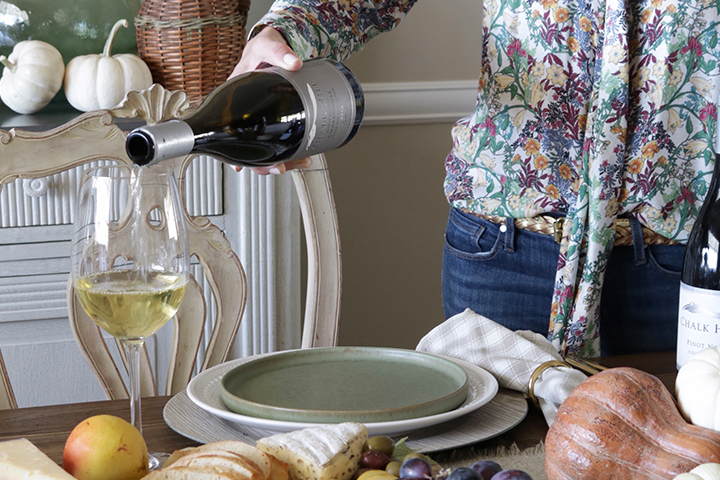
This fall harvest dinner party featuring Chalk Hill Estate wines is an easy, but elegant way to celebrate the bounty of the season.
One of my favorite times of year to entertain is in the fall. It’s not as casual as the summer, but it’s also not as fancy and involved as the holiday season. It’s relaxed without being too laid back, and the bounty of the season makes for a perfect night of food and wine.
Today I’m sharing a fun take on a seasonal dinner and showing you how I throw a fall harvest dinner party! From a pretty table setting featuring pumpkins and fall florals, to cozy recipes that showcase the best of the season, and of course, the perfect wines to serve, you’ll find all the tips you need to create a wonderful fall night with family or friends!
For fall, I always think relaxed, cozy and inviting. That means using earth tones and rustic textures, like linen, stoneware, wicker and wood. Since the food and wine are the stars, you want to keep the decor simple and natural, reflecting the bounty of the season.
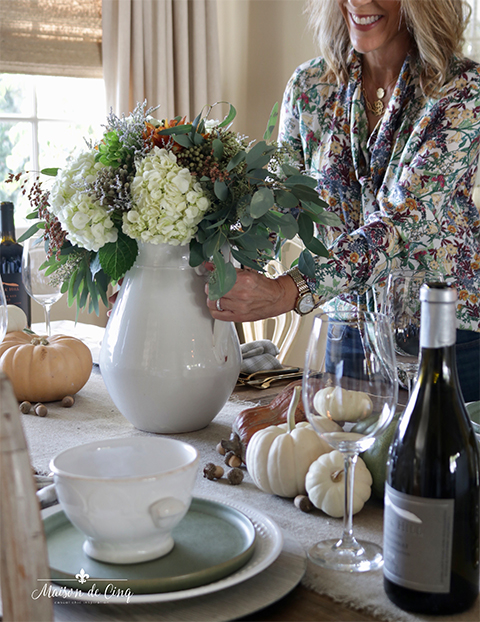
To create the centerpiece, I used both faux and real pumpkins and scattered them around the flowers. I also added some acorns for an added nod to the season. And I’m loving this new linen runner!
The centerpiece consists of white hydrangeas mixed with some fall florals and eucalyptus.
To emphasize the warmth of the season, I used my favorite gold flatware and a brass napkin ring. Except it’s not a napkin ring! It’s actually from the hardware department, is solid brass, and it’s much cheaper than napkin rings typically cost. (I got this idea from Martha Stewart so I can’t take any credit, but it’s brilliant!)
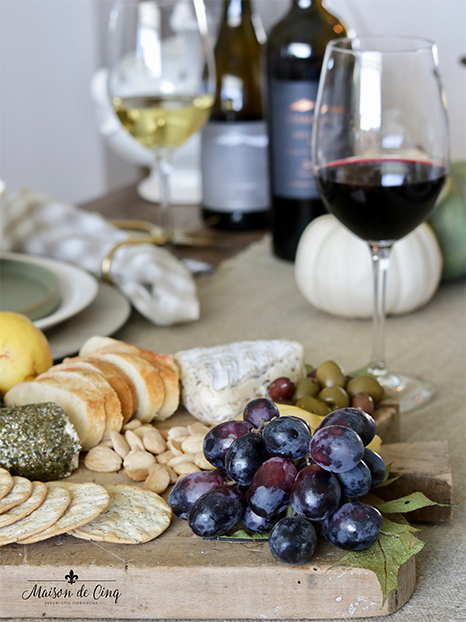
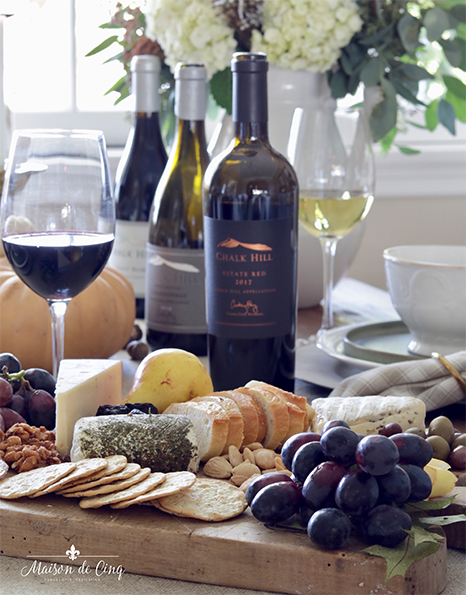
For the meal, I’ve included a yummy charcuterie plate as one of the starters. Not only does everyone love it, but it can be set out before your guests arrive while you get other things done. And it’s a great way to let everyone serve themselves and graze for awhile before the meal.
A few tips for arranging the perfect cheese plate:
• Let the cheese sit at room temp for at least a half hour before serving. Cheese is at its full flavor at room temperature.
• Include a mix of both soft and hard cheeses, as well as different types such as goat, cow’s milk, and sheep’s milk.
• Add a selection of meats such as prosciutto or salami, as well as nuts and olives for a variety of flavors.
• Fresh and dried seasonal fruit such as grapes, figs, apples, or pears add sweetness and are a break from the rich cheese.
• The secret to a great cheese board is the garnishes! Opt for a variety of textures and colors to keep things visually interesting.
• Choose a large wood board so you have lots of room for all those yummy extras.
FALL HARVEST DINNER MENU
• Charcuterie Tray with a selection of cheeses, meats, nuts, olives and seasonal fruits • Fall Harvest Salad
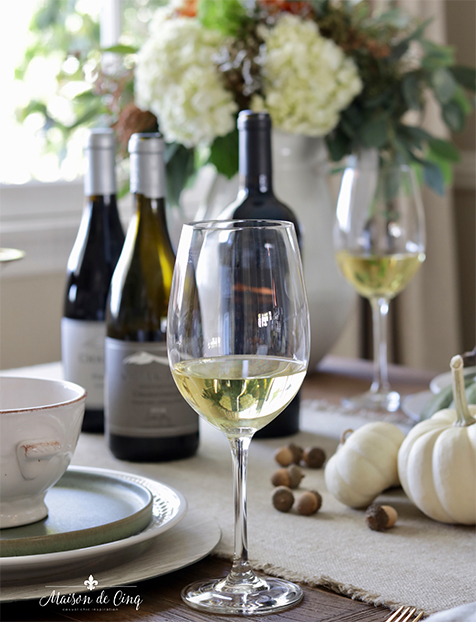
Chalk Hill is a favorite of ours, and the three wines I chose here are delicious. These are a little more elevated than a typical weeknight wine so they make the fall harvest dinner feel extra special. The first wine we’re serving is the fabulous Chalk Hill Estate Chardonnay.
It’s rich and creamy with notes of apple pie and stone fruit. With a long, rich finish, it tastes delicious with the soft cheeses we’re serving, as well as the Winter Squash Soup. It’s also amazing with Mac n’ Cheese as well as crab and other seafood.
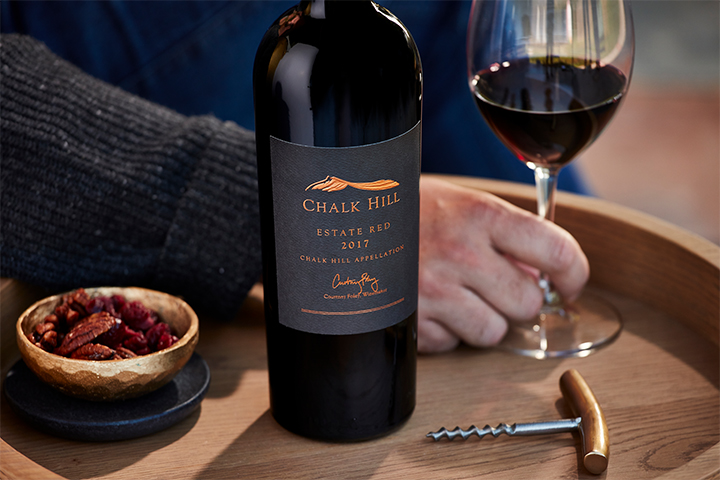
Chalk Hill’s Estate Red, is just that – the best blend of the red wines made from the estate. It’s a blend of four different reds, rich and savory with notes of black cherry and chocolate. Smooth and drinkable, it pairs especially well with rich fall dishes like cassoulet and stews, as well as Prime Rib, lamb, and other steaks.
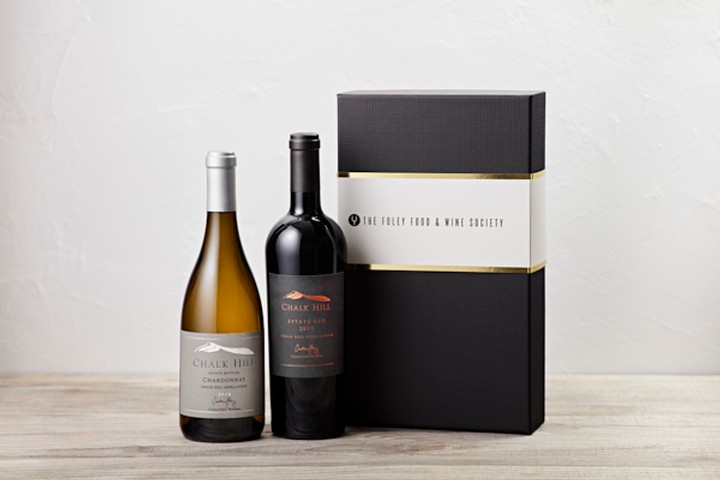
It would also be perfect for an elegant Christmas dinner or a great gift for the wine lovers in your life! (It comes packaged especially for the holidays with the Estate Chardonnay here).
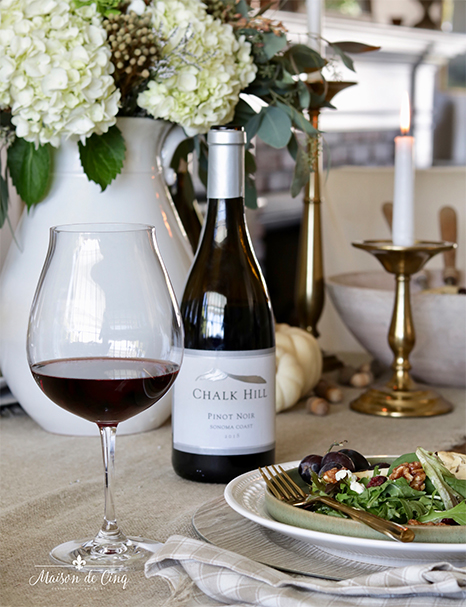
The other red we’re serving is the Chalk Hill Sonoma Coast Pinot Noir, which is probably my favorite! Approachable and elegant, with notes of black cherry and plum, it’s lighter bodied than the Estate Red and is delicious with the pork chops.
TIPS FOR SERVING WINES
• Chill the wines for at least a couple of hours but remember to take them out of the refrigerator 15-20 minutes before guests arrive. Even white wine is better served at around 60°F.
• At any gathering it’s a good idea to serve both a red and a white wine so everyone can find something they like.• Include extra glasses nearby so guests can taste both wines if they want without having them mix in their glass.
• Serve wines from lightest to heaviest, usually that means starting with white, then moving to red with the lightest reds served before the heavier ones.
With a few bottles of delicious wine, simple dishes that are easy to prepare, and of course great friends, a fall harvest dinner party can feel seasonal and celebratory without being overly stressful or a ton of work!
Six simple tips to throw a festive, stylish and stressless soirée.
Throwing a holiday party doesn’t have to be stressful—in fact, it shouldn’t be! The holidays are a time to relax, celebrate, and savor the company of your loved ones. With these simple tips, you can host a great soirée that’s just as enjoyable for you as it is for your guests.
TIP #1: KEEP IT COVID-SAFE
The most important thing is for you and your guests to be healthy and safe. Decide on a protocol ahead of time that all guests feel comfortable with. Strategically place hand sanitizers throughout your home—at the entryway, on tables, at the bar and/or buffet, and in restrooms.
TIP #2: KEEP IT STRESS-FREE
Advance planning will minimize your stress the day of your get-together. Start a few weeks ahead by selecting your recipes and pairings and preparing your to-do list. Don’t be afraid to delegate—if a guest offers to help, you can ask them to bring an appetizer, loan a serving dish, or pick up a bag of ice on the way over.
Shop for dry ingredients well ahead of time and fresh ingredients a day or two prior; you may want to consider having groceries delivered. Keep your recipes classic and simple—don’t feel pressured to make everything from pie crust to soup stock from scratch. Prepare and freeze what you can (like soups, stews, quiches, or tarts) in advance.
When you’re less than five days before the party, print out each recipe and lay them all out on a surface you won’t need to use. Then, pre-measure any dry ingredients and group them together with the recipes, along with any cookware or serveware necessary for each one. A day or two before the party, if space permits, set the table and decorate so you have less to worry about on the big day.
Decide whether you want to serve buffet-style or seated—the former requires much less plating, serving, and cleanup time. It will give your party a much more casual feel, but also allow you more time to spend with your guests. Another option to consider is hiring a caterer—then you can really relax and enjoy the party!
TIP #3: KEEP IT ELEVATED
To give your party a luxurious feel, a few simple and easy decorations will go a long way. Fresh flowers and elegant taper or votive candles are classic, but dried flowers, leaves, or grasses look great as well, and can be used for future occasions or become a permanent fixture in your home décor. A few decorative bowls filled with vintage ornaments or colorful stones can make for a beautiful and unexpected touch. Top it all off with some festive string lights, either coiled inside mason jars or strung up around the room or the table, to create a warm, glowing atmosphere.
TIP #4: KEEP IT INVITING
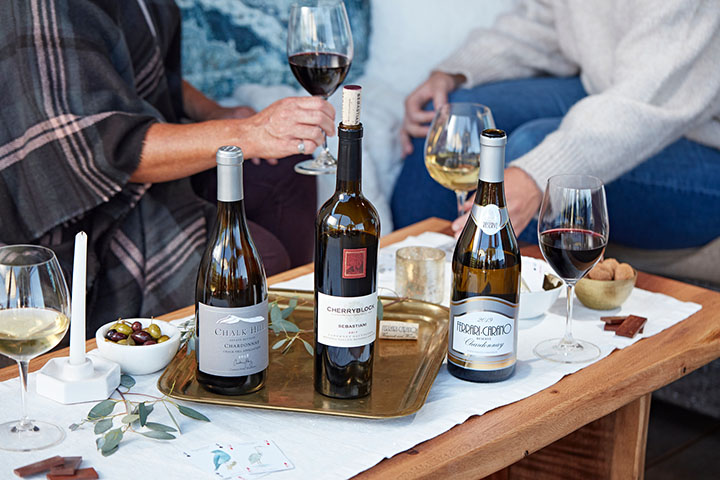
Welcome your guests in style from the moment they enter your home. Decorate your front door with a wreath or a large velvet bow to make a great first impression. Then, as you greet them, hand them a glass of “welcome wine” to get the party started. A bright and rich Chardonnay with seasonally appropriate notes of autumnal baked fruit and warming spice is the perfect choice to whet their appetite while they mingle before dinner. Pair it with an artfully arranged cheese and charcuterie board, adorned with fruits, mustards, spreads, nuts, crackers, and bread—Chardonnay’s creamy texture and crisp acidity are a great match for this decadent spread.
Suggested Wine Pairing: The three beautifully different chardonnays in our Chardonnay Showstoppers hoilday gift set.
TIP #5: KEEP IT DELICIOUS
Serve flavorful holiday favorites alongside crowd-pleasing and classic wine pairings. For the main course, select something satisfying but not too heavy, so your guests will want to linger long after the plates are cleared. Roast chicken, poached salmon, or pan-seared duck are all excellent options that are not too difficult to prepare. Pinot Noir’s juicy red fruit, bright acidity, and earthy, herbal accents work beautifully with any of these dishes.
After a big, filling meal, skip the sticky sweet wine for dessert and go for a jovial round of bubbles. A classic fruit tart, crumble, or galette, made with an assortment of colorful fruits, is a visually stunning choice that already has plenty of natural sweetness from the fruit. A lively, refreshing glass of sparkling wine, with zesty citrus character, aromatic brioche accents, and a smooth, creamy texture is an incredible way to perk up your final course.
After dessert, it’s likely that your guests will want to stick around and continue to mingle. If you have a fireplace, light it up (or light some extra candles) and pour a sophisticated glass of perfectly aged Cabernet Sauvignon, with notes of succulent dark berries, hints of savory dried herbs, and sophisticated, brooding aromas of tobacco and leather—the kind of wine that’s meant to be savored in great company. Put out bowls of chocolate truffles, gingersnap cookies, and roasted nuts for your guests to snack on while they sip and raise a glass to your wonderful hosting abilities!
Suggested Wine Pairing: Foley Johnson 2015 Handmade Cabernet Sauvignon
TIP #6: KEEP HOSTESS GIFTS ON HAND FOR FUTURE INVITES
A successful gathering often leads to others. Be prepared for follow-up invitations to your guests’ homes this holiday season with sure-to-please, beautifully boxed wine gift sets that feature highly rated red and white wines.
In honor of International Merlot Day (November 7th), we’ve put together a list of our favorite Merlots. These wines are perfect for the cold weather and the upcoming holiday season.
2017 SEBASTIANI MERLOT, SONOMA COUNTY
This fruit-forward wine has aromas of black cherry, plum, and a hint of herbal tea. On the mouth, there are notes of vanilla, raspberry jam, and cinnamon. Pair a Merlot like this with a dish like duck. Check out this Smoked Duck Breasts with Cherry Compote recipe.
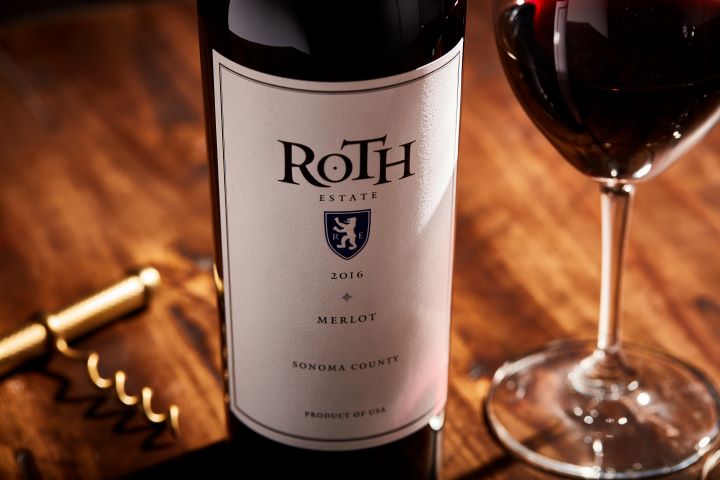
This Merlot is described as having aromas of dark fruits, dark chocolate, and hints of sweet spice. Black plum, violet, chocolate cream, and cardamom flavors will dance across your tongue as you sip this wine. This wine pairs beautifully with holiday turkey. While turkey can be somewhat dry, Roth’s juicy Merlot brings it back to life.
2017 FOLEY SONOMA MERLOT, ALEXANDER VALLEY
This Alexander Valley Merlot introduces itself with enticing scents of blueberry, mulberry and vanilla. On the palate, a medium body brings forth flavors of blue and black berries with a delicate mocha finish. We recommend pairing with roasted vegetables or grilled bison hamburgers. Try cooking with Merlot instead of Cabernet in this Cast Iron Brussel Sprouts recipe to spice things up.
2016 FIRESTONE VINEYARD THE CHAIRMAN SERIES MERLOT, SANTA YNEZ VALLEY
A rich Merlot like this one from Firestone Vineyard pairs wonderfully with roast lamb or roast beef with simple spices and sauces. On the nose, you’ll get aromas of roasted plum, espresso, and hints of boysenberry. With flavors of red fruit, espresso, and a hint of tobacco, this wine is excellent for the cold weather season.
2018 FERRARI-CARANO MERLOT, SONOMA COUNTY
A velvety Merlot with a complex nose followed by an enticing palate with flavors of black huckleberries, dried currants, leather and clove. This wine has impressive length and a lasting, elegant finish.
Rather than simply tell you about our delectable collection of 90+ point wines, we thought we would do something a little different.
As you evaluate bottles for yourself or for giving to your friends during the holidays, a deeper understanding of the critical reviews will help improve your selections. All too often, wine critics use descriptive words that can be as maddeningly precise as they are confusing. Additionally, hidden within each review are code words that have the power to indicate the drinkability of wine for both the short term and long term.
And if you really take the time to dig into critical scores, you’ll begin to notice significant differences in the preferred styles of the world’s major critics. Understanding each critic’s personal preferences means you can align yourself with certain critics that match your own taste preferences. If we look at those who are US-based, on a surface level, critic Jeb Dunnuck tends to like wines that are big, opulent, and full-flavored, taking after his mentor Robert Parker.
On the flip side, The Wine Advocate (the publication Parker established in 1978) is now helmed by Lisa Perotti-Brown, a Master of Wine. She brings a serious sensibility and keen intellectual insight to her reviews. So, if you’re more interested in a classic, textbook, academic reading of wine, you might subscribe to Wine Advocate these days. If you’re more a hedonist (aren’t we all, in some way?) get on board with Dunnuck, or ride the middle of the road with notable critics James Suckling or Antonio Galloni of Vinous. Both of these critics boast decades of tasting experience, and if you want to read tasting notes that read like poetry, check out Galloni’s reviews of his top-scoring wines. If you’re in a hurry, James Suckling is the guy for you.
Personal, critical tastes aside, we’ve broken down keywords in the critical reviews below and offer an explanation of what the critics are actually saying. So, here’s to both your newfound savvy skill at reading tasting notes and to filling up your cellar!
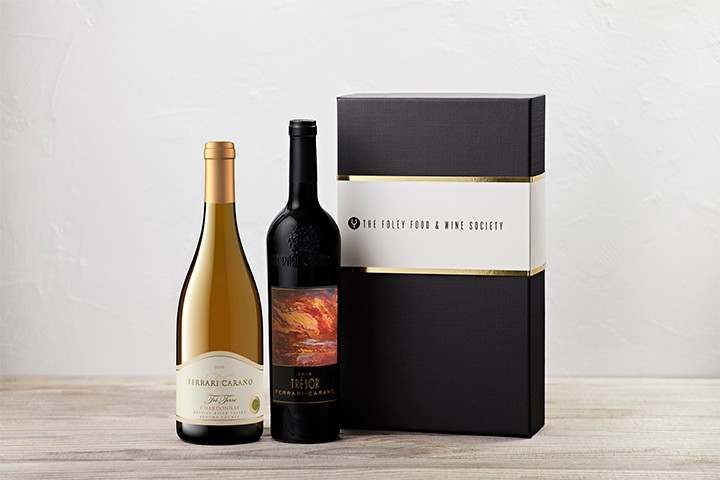
FERRARI-CARANO DUO
FERRARI-CARANO 2019 TRÉ TERRE CHARDONNAY, RUSSIAN RIVER VALLEY (750ML)
90 WINE SPECTATOR
The review: “This big white is filled with ripe richness to the concentrated apple pastry and pear tart flavors. Open-textured mid palate, with a plush and well-spiced finish. Drink now through 2024.”
The critic’s words explained: Let’s pick apart “ripe richness,” in this review. These words indicate the grapes were likely picked at peak ripeness levels—or Brix levels, which is a measure of the sugar content in grapes, and helps determine final alcohol levels. “Richness” also hints that the wine was likely stirred on its yeast lees, and/or aged in oak, and the combination of ripe flavors and lees stirring/oak aging results in a “richer” style of wine. And, indeed, this wine was stirred on its fine lees, adding richness, and aged in one-year-old French oak for 15.5 months.
FERRARI-CARANO 2015 TRÉSOR, SONOMA COUNTY (750ML)
93 WINE SPECTATOR
The review: “Delightfully rich, charming and accessible, with ripe, firm tannins and a compelling core of rich dark berry, licorice, sage and cedar flavors. Impressive throughout. Cabernet Sauvignon, Malbec, Petit Verdot, Merlot and Cabernet Franc. Drink now through 2030.”
The critic’s words explained: “Firm tannins” in this review by Wine Spectator’s James Laube, offers up the notion that the wine was aged in excellent oak barrels, which tend to impart the most firm, fine-grained tannins. Tannins come from both grape skins and oak barrels. In this case it is surely a combination of both the excellent grapes and the barrel used to age the wine.
A great gift set for: The entertainer who delights in serving crowd-pleasing, food-friendly wines.
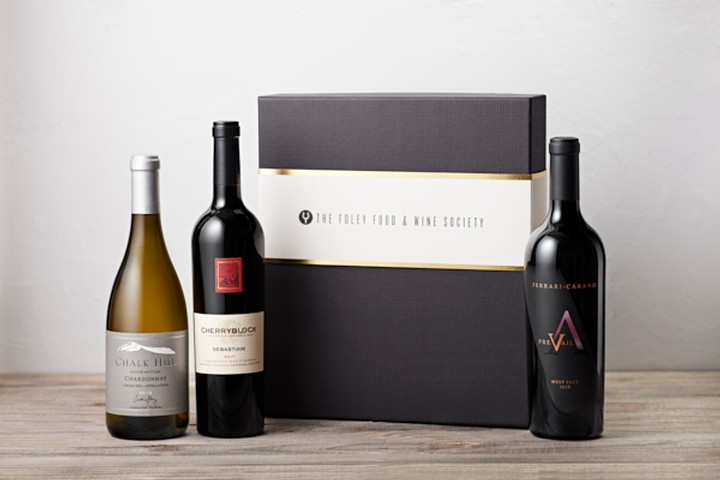
CHALK HILL 2019 ESTATE CHARDONNAY, CHALK HILL AVA (750ML)
92 ROBERT PARKER WINE ADVOCATE
The review: “The 2019 Chardonnay Estate is bold and ripe, with creamy, toasty character that will have wide appeal. The nose opens with savory tones of charcuterie and graphite over a core of baked apples and lemon cream. Medium-bodied, the palate is lushly fruited, ripe, creamy and long, with a streak of freshness carrying the honeyed finish. ”
The critic’s words explained: “Savory tones of charcuterie” — wait, what is this note in my white wine?! Charcuterie notes? Absolutely possible. This could result from a few things: the yeast that fermented the wine, for one, might produce unique aromatic and flavor qualities in the finished wine that yields aromas and flavors, which upon one whiff, fires the “savory” receptors in your olfactory brain. This could also result from the integration of oak in the aging process. So, that ‘cured meat’ quality could result from the marriage of aging new wine in contact with an element in the barrel staves that creates the aromatic sensation of ‘charcuterie.’ Pretty nifty.
CHALK HILL ESTATE 2017 RED BLEND, CHALK HILL AVA (750ML)
91 ROBERT PARKER WINE ADVOCATE
The review: “Opaque purple-black in color, the 2017 Estate Red is a blend of 49% Cabernet Sauvignon, 40% Malbec and 11% Petit Verdot. It offers slowly unfurling aromas of cassis and black plums with notions of graphite, clay, mint chocolate and cigars. The full-bodied palate offers minerally fruits with a gently chalky frame and very good freshness to lift the finish. 3,845 cases produced.”
The critic’s words explained: Let’s break down the word ‘graphite’ in the context of this review by Erin Brooks at Wine Advocate. Graphite is a hallmark quality of Cabernet Sauvignon and it literally smells and sometimes tastes like pencil shavings or asphalt or crushed rock—and when your olfactory receptors pick up on one, or a combination of those elements, the brain translates that as ‘graphite,’ but in a really deliciously, liquidy scrumptious way. And at the end of the day graphite really refers to minerality in wine, and actually could result from the interaction of fruit flavors with earthy spices and oak. If you chewed on your pencil in grade school, you get this immediately.
A great gift set for: The foodie who designs creative menus around complex, multi-layered wines.
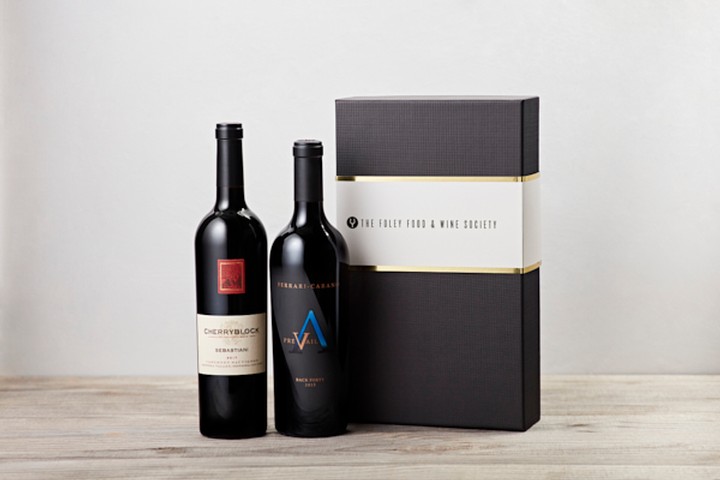
2017 CHERRYBLOCK CABERNET SAUVIGNON, SONOMA VALLEY (750ML)
93 ROBERT PARKER WINE ADVOCATE
The review: “The 2017 Cabernet Sauvignon Cherryblock Vineyard, deep ruby in color, has slowly opening scents of cherry jam, tar, grilled meats, dried rose petals and graphite touches. The medium-bodied palate has excellent restraint and great balance of fruit, savory and spicy character, and it’s firm but finely grained and fresh with a long finish.”
The critic’s words explained: Now, “excellent restraint” is an interesting one. What the critic is suggesting, is that this wine has the potential to open up—the secret hint, or suggestion here, is that this is a young wine; it’s tight and maybe even closed off to its greatest potential, but with time in the bottle, it will begin to release some of that restraint and show possibly even more opulent fruit flavors more savory textures and spices. It’s essentially a call-out to say, ‘Hey this is wine do want to cellar because it’s going to wow in the long run.’
FERRARI-CARANO 2015 PREVAIL BACK FORTY, ALEXANDER VALLEY (750ML)
93 ROBERT PARKER WINE ADVOCATE
The review: “Medium to deep garnet-purple colored, the 2015 Cabernet Sauvignon PreVail Back Forty is scented of warm redcurrants, black cherries and black plums with touches of underbrush, baking spices, chargrill and cigar box. The palate is full-bodied with bags of vibrant fruit, an impressively well-played structure of ripe, grainy tannins and a lively line lifting the fruit to a long finish.”
The critic’s words explained: “Cigar box” what!? Okay—let’s break this down. A cigar box holds cigars. And typically, these boxes are cedar-lined. And really, ‘cedar’ is the keyword here. What the critic is picking up on is cedar, which comes from aging the wine in oak barrels. This wine was aged in 74% new French oak, and 26% older oak. So, it’s that new French oak that is kicking up those intricate aromas. The critic is also picking up tobacco spices, which also come from the marriage of fruit and toasty oak—if you ever get the chance to stick your head in a newly toasted barrel, depending on the cooperage, it might smell just like a freshly rolled cigar or cigar box with a bit of cinnamon-toasted graham cracker spices. In short: yum.
A great gift set for: The collector of ageable and powerful Cabernet Sauvignon wines.
CHALK HILL 2019 ESTATE CHARDONNAY, CHALK HILL AVA (750ML)
92 ROBERT PARKER WINE ADVOCATE
(Review above)
SEBASTIANI 2017 CHERRYBLOCK CABERNET SAUVIGNON, SONOMA VALLEY (750ML)
93 ROBERT PARKER WINE ADVOCATE
(Review above)
FERRARI-CARANO PREVAIL 2015 WEST FACE, ALEXANDER VALLEY (750ML)
91+ ROBERT PARKER WINE ADVOCATE
The review: “A blend of Cabernet Sauvignon and Syrah, the 2015 PreVail West Face is medium to deep garnet-purple in color with a nose of crushed blackcurrants, black berry pie and blueberry compote with hints of cedar chest, wild thyme, lavender and wood smoke plus a waft of spice box. The palate is medium to full-bodied with lovely purity and an approachable frame of ripe, grainy tannins supporting the intense fruit, finishing long and savory.”
The critic’s words explained: “Long grainy tannins” tell us something about the interaction of the fruit and the barrel during the aging process. The word ‘grainy’ brings to mind granules—sand, which is gritty. The opposite is fine-grained, which means the fruit and tannins are silky and will glide over the tongue, while a wine with more granular tannins will have more grip in its youth. It’s a hint from the critic that the wine could use some time in a decanter to let those tannins clump together and form longer tannic chains, which will lead to a smoother drinking experience. You could achieve the same with a bit more swirling than usual, or, better yet, letting the wine age in the cellar for a few years before popping corks.
A great gift set for: The traveler who wants to explore and taste Sonoma County’s diverse terroir.
The review: “The 2018 Chardonnay Estate has lush scents of baked apples, honeysuckle, honeycomb and hay with notes of quince paste and almonds. The palate is medium-bodied, rounded and slightly buttery with a long, uplifted finish.”
The critic’s words explained: We need to pick apart a couple of things here: “honeycomb” and “uplifted finish.” First off, honeycomb is obvious, right? There’s clearly a honeycomb in the wine. Okay, that was a test. If you find an actual honeycomb, that’s a serious flaw! Don’t drink it! Call us, and we’ll send you a new bottle. All kidding aside, what the critic is picking up on is a marriage of lofty, floral aromatics mingling with delicious oak spices—giving way to lifted aromatics that are slightly sweet in nature. And speaking of ‘lift,’ what exactly is an ‘uplifted finish’ you ask? Well, if you think about a finish that is lifted, the critic is suggesting the lingering aftertaste is vibrant and high-toned, bright, and refreshing—not dull and falling off the cliff. All this is to suggest that there’s a good acid lift on this wine, and good acidity equates to freshness, and also the ability to age very well—all incredibly good things that make for a delicious (and ageworthy) bottle of wine.
A great gift for: The book-clubber who wants to offer the entire group a storied chardonnay with a perfectly composed charcuterie board.
Today, the answer to ‘What’s in your glass?’ must include the words “Champagne” and the adjectival descriptor of your choice. It is, after all, National Champagne Day!
In anticipation, we’ve been devouring books on Champagne in search of an interesting new nugget of bubbly truth to pass on to you—the Foley Food & Wine Society faithful.
We stumbled upon the nugget from “The Sommelier’s Atlas of Taste” by Rajat Parr and Jordan Mackay. In their chapter on Champagne, the very first order of business is not about the Grandes Marques of Champagne or the iconic cuvées you should stockpile. Instead, it is about glassware and how one smallish-seeming change is, in fact, the tip of an iceberg of revolution.
For the longest time, the Champagne flute served its singular purpose: “showing off that which separates Champagne from other wines,” asserts Parr and Mackay, who add the obvious—“bubbles.”
Indeed, the Champagne flute, the base of which is “often etched with microscopic scratches to agitate the wine and release that mesmerizing torrent of bubbles,” as the authors explain, offers a purely visual enjoyment of Champagne.
By contrast, it’s become almost de rigueur in fine dining restaurants to serve Champagne in a standard white wine glass, or even a large, deep-bowled Burgundy stem. The reason is simple, according to Parr and Mackay—
“The broader glass emphasizes flavor and aroma, de-emphasizing bubbles and allowing them to escape,” which the authors assert is the revolutionary distinction: the oenophile’s way of suggesting that Champagne is wine first and foremost and should be enjoyed to its fullest. It’s an argument in stark contrast to the idea in favor of the visually enticing aspect of Champagne houses in a flute, which all but eradicates any chance of enjoying (or savoring) the actual aromas and flavors of Champagne.
But to be clear, it’s not about hating on bubbles or ditching the bubbles to taste the natural flavors of a glass of Champagne. The bubbles, of course, serve a fundamental purpose.
Champagne is the northernmost wine-producing region in France, tucked into the northeast corner, where a very cool growing season means grapes are harvested with incredibly high natural acidities. The acid levels in Champagne are, in fact, near ‘bracing’ levels. But those zippy, zingy, electric acids are tempered by the captured carbon dioxide from the secondary fermentation and the dosage (mixture of wine and sugar, which determines whether the Champagne will be dry, off-dry, or sweet).
Together, the balance of sweetness, acidity, and CO2 creates harmony in the finished wine. Without those bubbles, the driest of Champagnes would leave you puckering up worse than a mouthful of green Jolly Ranchers!
So, make sure your bubbly is nice and chilled (especially if you’re planning to saber it), and get out your best white wine glasses to celebrate National Champagne Day. Santé!
From September 15 to October 15, Americans observe National Hispanic Heritage Month. The aim is to reflect and celebrate Americans’ historical and cultural contributions whose generational roots are Spanish, Mexican, Caribbean, and Central and Southern American cultures.
Why these dates? September 15 is: “The anniversary of independence for Latin American countries Costa Rica, El Salvador, Guatemala, Honduras and Nicaragua,” according to The Library of Congress’s National Hispanic Heritage Month website. “In addition, Mexico and Chile celebrate their independence days on September 16 and September 18, respectively.”
Initially instituted by President Lyndon Johnson in 1968 as “Hispanic Heritage Week,” the program became a monthly-long celebration after President Ronald Reagan expanded it in 1988—it became a law on August 17, 1988.
FOCUS ON CALIFORNIA
Given that a majority of our wine estates are based in California—and the Spanish Missions along with the 1849 Gold Rush provided a massive influx of Spanish explorers who laid the foundation upon which California rose—on this final day of Hispanic Heritage Month, we’re highlighting three perspectives on Hispanic culture from our organization.
Erica Haas, Director of Human Resources at Foley Family Wines, lives in Santa Rosa, California. As of December 2016, she will have been with the company for five years. Haas is Hispanic, her parents emigrated from Mexico, and she’s a first-generation Hispanic American. Haas says that while her family doesn’t outright celebrate their Hispanic heritage because it’s woven into the fabric of their daily lives. The traditions, the values, and the things that make up her unique character are the values she brings to the workplace. Reflecting on Hispanic Heritage Month, Haas says that she is happy to see “recognition for our language and community” and is quick to point out that “we have a high Hispanic population that works in the wine industry.” Do I need to add more?
Indeed, Greg Gonzales, Director of Central Coast Winegrowing, is based in Los Olivos, California. Though Gonzales was born in Eugene, Oregon and attended California State University, Monterey Bay on a soccer scholarship—while obtaining a broad education—he ended up back in Agricultural work.
“I am a third-generation Hispanic American. My grandfather, Juan, came from Nievas in the state of Zacatecas, Mexico. His son (my dad), Javier Gonzales, was born in the Brownville area of Texas. They followed the crop work and ended up in Jefferson, Oregon in the Willamette Valley.”
Gonzales’ grandfather eventually found work for Southern Pacific Railroad. “His experience as a tractor driver was pivotal,” explains Gonzales, “Not everyone had that kind of experience, and it kept the family in the area.” His dad became a firefighter and eventually met his mom, Marjorie Austin (her maiden name), a teacher with a German-Polish family background from parents who emigrated after WWI. Greg was born on July 26, 1984, and learned English as his first language.
“My grandmother did not speak English, and my grandfather, Juan, had limited English and would speak Spanish to me, and I would speak English to him,” recalls Gonzales recalls. “In Oregon, there was a small population of Hispanic Americans. And I played soccer my entire life, which led to a scholarship for playing soccer at Cal State Monterey Bay, and is subsequently the reason I came California.”
“I started my education doing sports medicine, which morphed into cultural and behavioral science, and I started learning about geographic information systems. I also got into mapping, and for a time was mapping cultures—how geography influences culture—and over dinner, one night, with Kurt Gollnick, the Chief Operating Officer of Scheid Family Wines, the conversation turned to data and mapping of vineyards. And Gollnick offered that Gonzales comes work for him. If he landed on a squad in a pro or semi-pro soccer league—great. If not, stay at the winery. It was an offer Gonzales couldn’t refuse, especially when he learned from a close friend who was a #4 pick in the MLS draft one year that the starting salary was $20,000, minus the 30% fee owed to the friend’s agent.
Perhaps needless to say, Gonzales settled on work at Scheid. “That I’m in ‘ag’ must have been fate!” he muses. His grandparents eventually owned 40 acres and farmed hay, and raised cattle in Oregon. And here he was, leveraging the broad knowledge he’d gained at college, equipped with a GPS license to do mapping. With Gollnick open to options, Gonzales struck a deal: “‘Teach me to grow grapes and I’ll tell you how to apply spacial technologies to the vineyards,’ is what I said, and that’s what I ended up doing for 12 years.” When the opportunity arose in March of this year to join Foley Family Wines, he felt his time was up at Scheid, and the time was right. “I’m in the southern operations, taking in the season to see where we can go in terms of improving farming,” says Gonzales.
Today, Gonzales notices that the younger Hispanic American generations—those who are born and raised with English as their first language—are “not going into ag so much.” But for him, it’s different than “following crops,” and he enjoys the world. “It’s brought me back to my nine-year-old self driving a hay truck barely abele to see over the steering wheel.”
As far as Hispanic culture is celebrated in his family, “We celebrate who we are all the time,” he says. “Food is big—enchiladas, tamales—we do tamales at Thanksgiving, and we make them for the year.” The secret to making an authentic tamale? “It’s the masa to meat ratio. Some go too heavy on the masa, and you can’t taste the meat. I can’t tell our family secret, but it’s relative to that.”
Giovani Verdejo, Winemaker at Foley Johnson Wines
For Giovani Verdejo, Winemaker at Foley Johnson Wines who lives in Napa, California, “Hispanic culture is part of my daily life,” he says. “I was born in Mexico City, and my wife is of Mexican descent. My kids could be Mexican citizens as well.”
Verdejo says that food is perhaps one of the central tenants connecting his daily routine to Hispanic culture. “The food I eat with my co-workers every day is part of that tradition,” he says, “and I’m a big meat eater. So we do thick steaks, but we do also make tacos, and we have a hot plate, and we’ll be cooking doing harvest with an array of spicy foods and salsas.”
Verdejo says that they don’t always have time to make intricate dishes at work, but they’ve perfected the taco, which he asserts is really about keeping things simple. “Don’t overdo the toppings. A good taco includes onions, cilantro, lime, salsa, and seasoned meat,” he explains. “When I’m at home, my wife and I do a lot more cooking, and we spend time making more traditional dishes.” In terms of the Spanish language, Verdejo adds that “We speak Spanish in our home, and at work, the cellar crew is from all different parts of Mexico. My mom was a Spanish teacher, so my Spanish is very formal.
“My great grandparents passed on to us the traditions and beliefs of our culture. My great grandparents came from southern Mexico and lived in Kansas City, Missouri. My grandmother moved there when she was just six years old. My great grandfather made moonshine during prohibition, but sadly, was involved in a real, old-fashioned shoot-out and succumbed. My grandmother was born in the middle of the Spanish War and lived through the Spanish flu. After my great grandfather died and my grandmother moved back to Mexico City. On my mom’s side, they’ve been in California forever. My maternal grandpa was in the wine industry for 50-60 years. He worked for Beringer and Clos du Val.”
So, it seems fate brought Giovani into wine as well. And he says that working at Foley Johnson, and for Foley Family Wines, “It’s not about race. It’s about skill.” He adds that “Now that the Hispanic community is being more recognized, more young upstarts are coming into the industry, and that’s a good thing,” he says.
FINDING YOUR CAUSE
“More than anything, I would say to those reading this to support Hispanic businesses,” says Verdejo, “The Hispanic community has put so much into the wine industry, and they’ve barely been acknowledged. It’s very common to see Hispanic-owned vineyard companies and even wineries, so, please, do the research, and reach out and support.”
We hope that you find your unique way to celebrate Hispanic Heritage Month now and encourage that the celebration continues as part of the fabric of your life. Cheers, FFWS.
Is there ever an occasion to turn down a glass of sparkling wine? Surely there is not. In fact, we’d argue there are too few occasions to pop open a bottle of chilled bubbly. We’re thinking a lot about this topic because International Champagne Day falls on October 22 this year, and we want you—our Foley Food & Wine Society readers—to be fully prepared.
To that end, we reached out to Catherine Fallis MS, the fifth woman in the world to earn her Master Sommelier pin, a fait accompli from 1997. In 2018, Fallis (pronounced FAH-lis) debuted her latest book “Ten Grapes to Know: The Ten and Done Wine Guide,” which is readily available on Amazon. In it, among the grapes profiled, she features Pinot Noir and Chardonnay, two grapes so important to the creation of high-quality sparkling wine that without them, it’s a toss-up if the world of bubbly would even be the same!
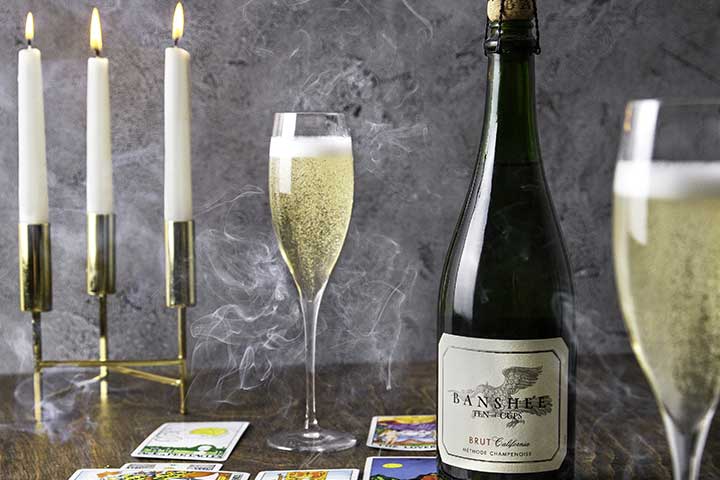
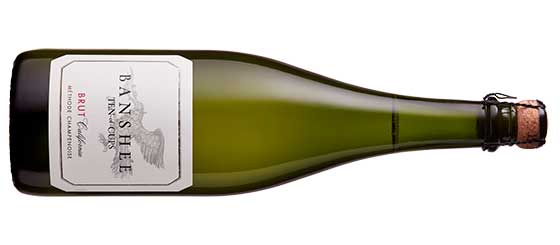
One of the most exciting new developments in our portfolio of wines comes from Banshee, which just released the Ten of Cups, a mineral-bright, zesty, citrus-infused sparkling wine produced in the traditional Champagne method (more on that in the Q&A below with Fallis!)
“At Banshee, our goal is to craft distinctive wines that over-deliver in every possible way,” says Alicia Sylvester, winemaker for Banshee, “with that in mind, we set our intentions to blend a sparkling wine that is true to Sonoma County through Banshee’s strong relationships with high-quality vineyards in the region. Our ‘Ten of Cups’ is an exciting new addition to the Banshee portfolio; bright, vibrant, and deliciously drinkable.”
So, with International Champagne Day around the corner, let this interview with Catherine Fallis MS enlighten your sparkling wine knowledge, and trust us, you’ll want to heed her advice on glassware, temperature, and safe practices on sabering, all detailed below. Grab a copy of her book, stock up on Ten of Cups, and feel confident that you’re fully prepared to celebrate with a glass of bubbly on Champagne Day (even if it’s not exactly Champagne that’s in your glass). If anyone points it out, you’ll have the answers. So get reading!
10 QUESTIONS WITH CATHERINE FALLIS MS
Catherine Fallis MS
FFWS: Let’s start with a bit of history. We know that ONLY sparkling wine made in Champagne can only be labeled as Champagne—an actual region in the northeast of France. But that wasn’t always the case. What happened historically that made it illegal to put the word “Champagne” on a label if the sparkling wine is not produced in Champagne? Catherine Fallis MS (CF): Champagne is a place name, like Napa Valley. It is a highly unique environment, from soil to sky, a “terroir” as the French say. Champagne is also the name of one of the world’s most popular luxury products, thanks to the early marketing genius of the producers there. As a popular luxury good, like Prada, knock-offs are a global issue. In 1941, the producers established the Comité Interprofessionnel du Vin de Champagne to protect the name, and in 2005, the Comité Champagne joined the Declaration to Protect Wine Place and Origin. For decades lawsuits from the CIVC have served to protect the Champagne name not only from outside sparkling wines, but also from perfumes and other products.
FFWS: We definitely know to put a good chill on our sparkling wine, but is there such a thing as serving sparkling wine too cold? CF: It is never too cold if you like it that way, though the more you chill, the less you taste. The other issue is if you pop it in the freezer, and then, sigh, forget about it. When dining out, please let your sommelier know your preferences (on ice, off ice, only top up when we are ready or keep it flowing).
FFWS: You’re not only a Master Sommelier, you’re also a Master Saberer. Can you tell us the hard and fast rules for safely sabering a bottle of sparkling wine? CF: Technically I am a professional sabreuse, meaning swordswomen. There is no other word for it. I learned with champion French sommeliers in Monaco and have to say the number one rule is to carefully follow all safety precautions. The technique is easy but the danger is high both for the person sabering as well as folks who are nearby.
FFWS: After safely sabering our bottles, what style of glass would you say is best to serve sparkling wine in? And what about outdoor celebrations if we’re afraid of breaking glass? CF: Okay—here is a little industry secret: Champagne tastes delicious decadently guzzled out of the bottle like those old-fashioned soda bottles, but this is not for public-facing events as it is not elegant or professional. Coupes are fashionable and fun to hold, especially some of the older cut crystal versions, but the bubbles dissipate very quickly. Flutes maintain the flow of bubbles. Paper cups aren’t fancy but they get the job done. A nice happy medium for casual outdoor gatherings is the clear plastic flutes or cups found in stores like World Market.
FFWS: You recently published a new book called “Ten Grapes to Know” and in it, two of those grapes—Chardonnay and Pinot Noir—are superstars in the sparkling wine category. What makes those varieties so well-suited to producing sparkling wine? CF: It is interesting, because here in the US Chardonnays are classically big, buttery and rich. Pinot Noirs are delicate, light, tart, even ethereal. In the extremely cool climate of Champagne, and in the ancient seabed that forms the base of their soils, the grapes are flip-flopped. Chardonnay produces delicate, elegant, very subtle wines, while Pinot Noir is responsible for the most powerful, long-lived wines, like Rose Champagne.
FFWS: In addition to Chardonnay and Pinot Noir, the rest of the grapes featured in “Ten Grapes to Know” are Pinot Grigio, Sauvignon Blanc, Viognier, Sangiovese, Syrah, Merlot, Cabernet Sauvignon, and Zinfandel. Are any of these grapes used to make sparkling wine? CF: Yes. I have to say I have tasted sparkling wines made from just about anything, including Rhubarb. What can I say, fizz is fun!
FFWS: For those who prefer sparkling wine as dry as can be, what words should they be looking for on a label? CF: The term BRUT is the word to look for. If you prefer virtually zero sugar, there is a very austere, highly acidic version of Champagne designated “EXTRA BRUT” or “BRUT SAUVAGE.”
FFWS: What are wine drinkers missing out on if they claim not to like a sparkling wine that is slightly sweet or even very sweet? CF: The Champenoise had an early marketing coup when they created a label term, EXTRA DRY, for the US market in the early 1900’s. Sophisticated Americans wanted to ask for dry Champagne or a dry martini. But EXTRA DRY actually translates to a Champagne that is just a touch sweet, like Moet’s White Star, the number one selling brand in the US for years. It is beautifully balanced and easy to enjoy. Your taste is your own, and it is completely fine to own it. Just look at the wide variety of coffee styles we drink here—from bitter espresso to Frappucino and everything in between. You like what you like and that is the most important factor.
FFWS: Banshee just released a sparkling wine called Ten of Cups. It’s made from Chardonnay, Pinot Noir, and Pinot Meunier, but the Pinot Meunier grape did not make it into your book! What does Pinot Meunier typically contribute to a sparkling wine’s taste profile? CF: Pinot Meunier is a champion for Champagne and other sparkling wines as it brings a lovely fruitiness and softness to otherwise highly austere wines. If it weren’t for Pinot Meunier, America would not drink Champagne and other sparkling wines so often.
FFWS: Finally, we often see American sparkling wine producers noting that the wine is produced in a “Méthode Champenoise” style. What exactly does that mean? CF: The Champagne Method is a highly controlled, very strict, and complex production process, but to simplify it, it means “second fermentation in bottle.” This means that base wine is fermented first in tank, then bottled, then fermented again in the bottle, aging on the remains of the fermentation, the expired yeast, or “lees”, which brink all the delightful bakeshop flavors, and allows for the development of tiny, long-lasting bubbles.
How chilled do you like your red wine? How long do you leave your white wine out on the counter to let it warm up?
If these sound like incredibly odd questions to you, it’s possible that you’re serving your wine either too warm, or too cold. Let’s break it down.
Most white wine varieties are rather delicate in nature—lightly aromatic but more expressive on the palate. This is true of the classic varieties like Chardonnay and Sauvignon Blanc, in particular. Sauvignon Blanc, depending on where it is produced, can be more aromatic, giving off lifted spicy or herbal notes, but those generally tart or creamy citrus aromas and flavors so common among American-made Chardonnay and Sauvignon Blanc wines are at their most expressive when they are not chilled to the bone. Much is true for other varieties as well.
If you’ve been in the habit of popping your favorite Chardonnay or Sauvignon Blanc in the refrigerator the night before before popping corks or twisting off screwtops, it’s a guarantee that the first couple of glasses served are far too cold—you’re missing out on the delicate, intricate aromatics and flavors (and even textures) that make the wine special. They become muted when extremely chilled.
So, what can be done to achieve the right temperature balance? If the wine has been in your refrigerator for more than an hour, take it out, pop the cork, pour a glass (or two) and let it sit on the counter for 15 minutes before you take your first sip.
In fact, here’s a fun experiment: chill two bottles of the same wine. Pop the corks at the same time, but let one bottle sit out on the counter for a full 15 minutes, and put the other back in the fridge. At the 15-minute mark, using two glasses, taste the refrigerator-chilled wine next to the one that’s been sitting out and warming up. If James Bond can tell the difference between a martini that’s been shaken, not stirred, we know you can tell us the difference in the entire experience of a white wine served at the ideal temperature. Here’s a good rule of thumb: If condensation begins appearing on your glass immediately after pouring, your white is too cold.
Things are about to get controversial! Everyone: take a deep breath. Better yet, pour a glass of your favorite red and take a deep sniff! Now, take a good sip. Savor it, and now that you feel more relaxed, just one question: how truly pleasant was that sip?
Let’s say on a scale from 1 to 10, you’re asked to rate the pleasantness of the sip of red wine you just took. You’d rate a 1 if, after thinking about it, the wine was maybe a bit harsh, tannic, and you noticed the alcohol burn. You’d rate that sip a 10 if everything was harmonious: the aromas lifted, the palate balanced between generous fruit, maybe some earth, maybe some decadent oak spices, and no alcohol burn, and nothing out of whack with the mouthfeel.
The temperature of your red wine will arguably have the biggest impact on how you rate your last sip.
Going against all conventional wisdom, hear us out: you will love your red wine so much more if you drink it with a slight chill—no matter the red, no matter the time of year. In the dead of winter: a slight chill. In the thick of a New England summer with wretched humidity: definitely a slight chill. Traveling through Siberia on a dog sled: please, a slight chill. But be wary not to over-chill it. Just as with white wines, a red that is too cold will be tight and completely lacking in both fruit aromas and flavors.
How then, do you achieve that perfect red-wine drinking temperature? If you have a wine cellar, chilled to around 56 degrees, that’s perfect. Pop the corks and enjoy. In fact, pop the corks, enjoy a glass or two, and set the bottle in the refrigerator so that it maintains its cellar temperature. Leave the bottle out on the counter when you’re down to your last pour.
If you aren’t among the fortunate wine enthusiasts who have a wine cellar in their house, or even a wine refrigerator, fear not: pop that room temperature bottle into your regular refrigerator for 25 minutes before pulling the cork. That’s about enough time to bring the juice in that bottle down to cellar temperature.
There is, of course, no hard and fast rule about this, but once you really start paying attention to the temperature of the wine in your glass—and your preference points—you may find a bit of extra magic in the glass of Cabernet or Chardonnay. Santé!