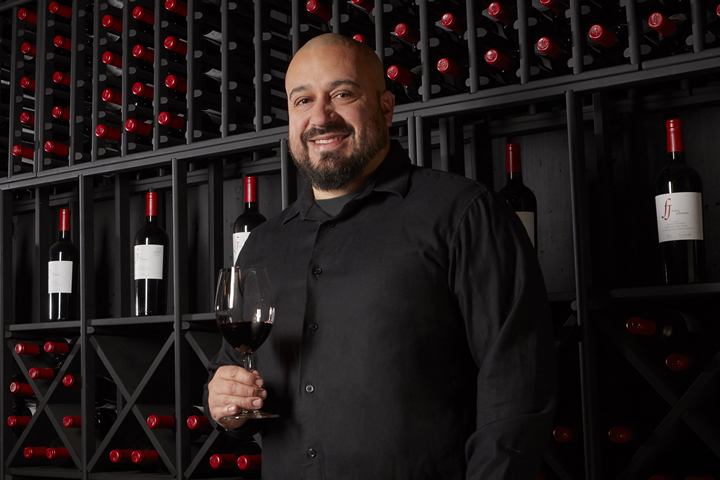
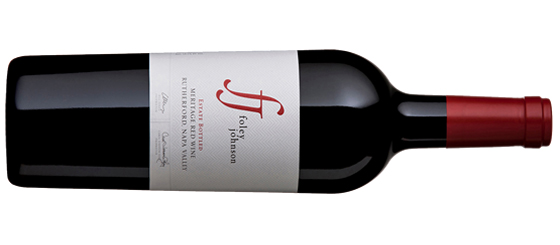
If you’ve ever enjoyed a lineup of Foley Johnson “Napa Valley” or “Handmade” wines from the comforts of the estate tasting room (or patio) in Rutherford, you know that one sip is only just the beginning of a new obsession. These small-production wines, which are focused around the classic Bordeaux varieties, are carefully tended to by Giovani Verdejo, a longtime Napa Valley resident who was born in Mexico City, but who was destined to make wine.
In 2018, a Foley Johnson Meritage red made Wine Spectator’s Top 100, and today, “Gio” continues that trajectory of excellence. Get to know Gio in our Q&A below, and above all, get better acquainted with our Foley Johnson portfolio, and when it’s safe for you—come for a visit in Rutherford!
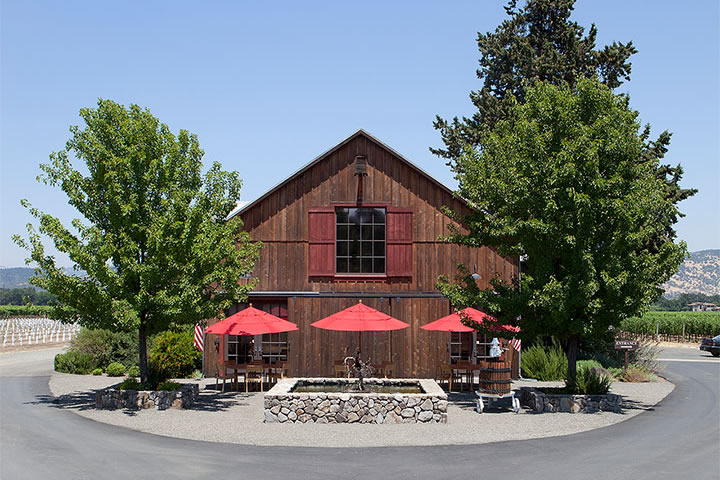
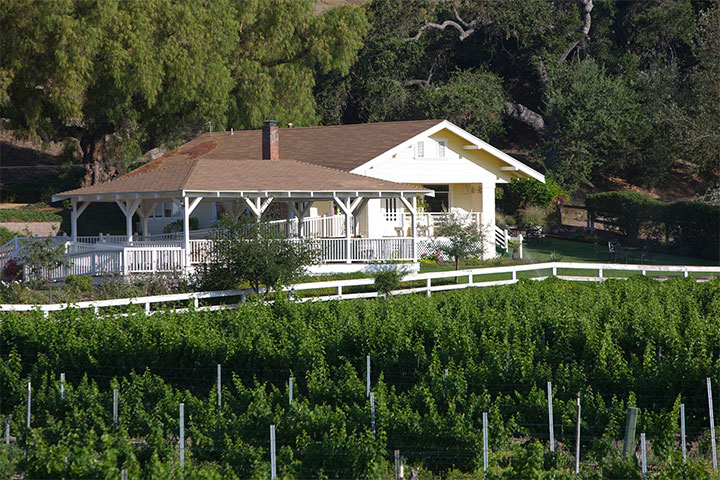
Foley Johnson Winery in Napa, California.
FFWS: How old were you when your family moved from Mexico City to Napa and what was that adventure like for you? Giovani Verdejo (GV): My mother and I first came to Napa Valley when I was just two years old. We went back and forth until 1993 when we decided to stay. I’m an easygoing person that always sees the good side of everything, so it was easy for me to fit in everywhere.
FFWS: How was wine part of your life growing up? GV: I grew up around wine drinkers. My dad loved Chilean Cabernets and farm-workers on my mother’s side of the family worked for Clos du Val for decades, so wine was present in my daily life; every now and then my dad would let my brother and I drink from his glass. I think I loved wine at a very early age!
FFWS: What made you decide to become a winemaker? GV: The way the Valley smells during harvest has always attracted me and inspired me to take classes at the Napa Valley College. While doing construction at the first winery I worked, Kuleto Estate, I was offered a cellar worker position—I never looked back.
FFWS: Tell us about one or two of your winemaking mentors and something you learned from each. GV: I consider David Lattin [former Kuleto winemaker from 2004-2017] as my main mentor; everything I know about winemaking is because of him. Through the years I have fine-tuned what I learned and incorporated my own ideas and techniques, but the core approach is his. The entire FFW winemaking team has been key to my growth as a winemaker—being able to taste and share ideas with people of different backgrounds has been very helpful to me. I think the diversity in this group has helped each one of us.
FFWS: Today, you’re making Foley Johnson wines, so give us the 3,000-foot view. How would you characterize the style of wines being made at Foley Johnson? GV: The term ‘handmade’ is used in our labels, and we take that to the heart. We are a small team here at FJ—myself, Assistant Winemaker, Alyssa Feutz, and Israel—and we take the time to pay attention to all the details, from when flavors are optimal for harvest, yeast, and temperatures during fermentation and to taste and select every single barrel constantly throughout its life making sure we optimize flavors and structures while respecting varietal composition. We strive for quality and so far our team has a handful of 90+ point wines under our belt!
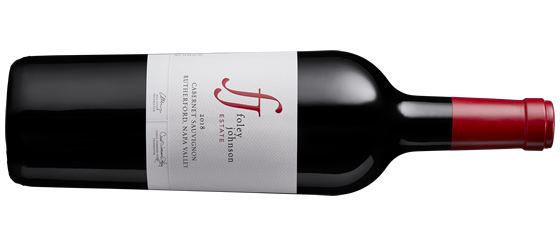
FFWS: For any FFWS members new to Foley Johnson where would you suggest they begin? For longtime FJ fans, what would you say is the most out-there bottle to try next? GV: I think our Estate Sauvignon Blanc is a great place to start, it is delicious; we like to harvest early to optimize citrus flavors while still having a good-structured palate, helped in part by fermenting in concrete eggs. It’s hard to pick one bottle for the longtime fans, our wines are true to varietal and we seem to have fans all over the map, but our 2018 Rutherford Estate Cabernet just scored 90 points on Wine Spectator [“Steeped plum and blackberry fruit melds nicely with touches of vanilla, cedar and warm earth through the finish, with a polished feel overall that makes this accessible now too. Drink now through 2026.”]. As for wine club members, look out for our new red blend—it’s called Pat’s Blend in honor of Patrick Foley and it contains the best barrel selections of the varietals we grow on the estate.
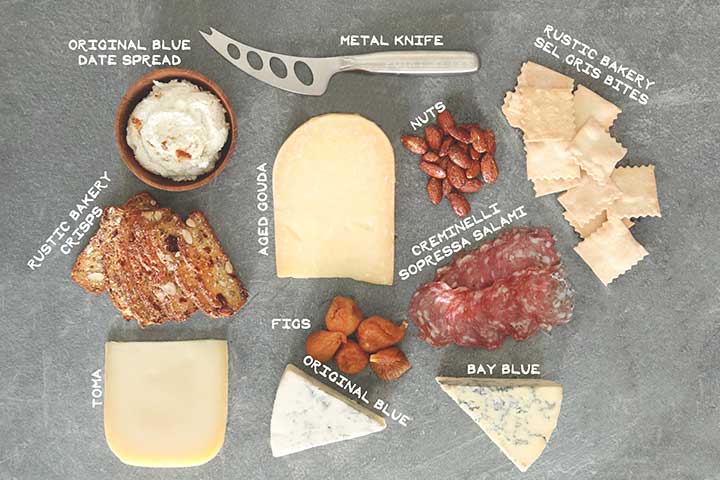
Foley Food and Wine Society has put together an easy, delicious and perfectly paired way to enjoy the spring months outdoors. We’ve “paired” up select Point Reyes Farmstead Cheese Co. artisanal cheeses with a few of our favorite Foley Family wines.
When it comes to selecting cheese, we recommend choosing a variety of cheeses with diverse tastes and textures to create a spread that will serve as the perfect complement to your wine selections. To create a dynamic, wine-friendly and easy cheese platter we suggest the Point Reyes Farmstead Cheese Co.’s Crowd Pleaser. Point Reyes Farmstead Cheese Co describes this platter as, “a party in a box-complete with everything you need for the most delicious cheese board.”
Artisanal cheeses are nicely complemented by some of our estate grown wines like Chalk Hill’s artfully handcrafted 2019 Estate Sauvignon Blanc, The El Pino Club’s silky 2018 Pinot Noir and Lancaster’s 91 point – Robert Parker 2017 Estate Cabernet Sauvignon.
Once you’ve selected a delicious mix of cheese and wine, it’s time to consider the rest of your picnic essentials. Here are some ideas to round out your perfect picnic experience:
Beyond Fromage: A picnic blanket, wine tumblers and some soft music to get the ambiance just right!
Stay Cozy: Find the perfect view to have your picnic, bring some blankets and plan to stay awhile!
Start Relaxing: Open bottles, bring cheese to room temperature and enjoy!
Now that looking out your window is a new national pastime, you may have noticed the days are getting longer, the mercury on your thermometer is rising, birds are chirping, and spring, the season of new beginnings is knocking on winter’s door to tell winter it’s time to go.
Spring’s arrival also means a season for trying new fantastic wines as you stretch your legs, bask in the warming air, and make the most of what the outdoors has to offer.
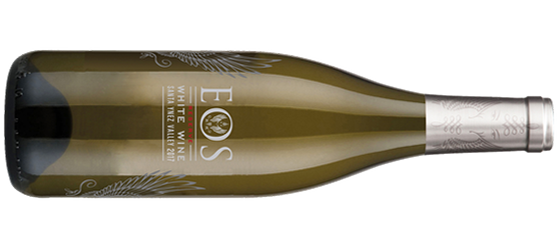
Whether you’re near the Mayacamas or the Rockies, there’s a hike to be had with stunning vistas and some heart-pumping exercise along the way. But you don’t have to wait to reach the summit before popping open a bottle of 2017 Eos Reserve White Rhone ($30), a Santa Ynez white blend with a honeyed nectarine and lemon zest flavor that keeps you on the trail.
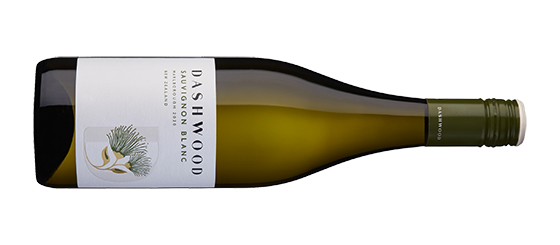
For those unseasonably warm spring days, you have an important choice to make: Do you go swimming in a pool or a lake? But the only choice for a post-swim refresher is the 2017 Lucien Albrecht Riesling Grand Cru Spiegel, Alsace ($37), a French riesling from the Alsace region full of spicy peach, lime, and apple aromas; an ideal way to warm the soul as you’re toweling off. There’s no time like springtime to dust off your bicycle, pump air into the tires, and pedal your way across the crocus buds and the tulips. You’ll be surprised how far you can go, but how surprised would you be if you made it all the way to New Zealand? With a bottle of 2020 Dashwood Sauvignon Blanc ($20) at the ready, you can end your bike trek through the flowers all the way to New Zealand’s Marlborough region. But Dashwood moves on its own pair of wheels: tropical and citrus fruits. It’s crisp and enlivening and is the perfect reward for that long invigorating bike ride.
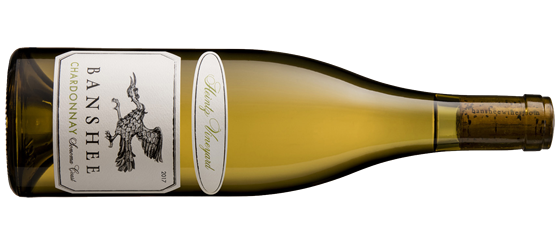
Now that you’ve hiked, swam, and raced away from the winter blues, it’s time to celebrate the true spirit of spring with the pleasures of outdoor eating over a blanket in the grass. Don’t get caught without a corkscrew; you’ll need it to open a 2017 Banshee Heintz Vineyard Chardonnay ($50), courtesy of the Sonoma Coast—a wine laced with hints of coconut, mango, and lemon meringue pie. Unless of course, you’re of the “rosé all day” type, in which case you’ll want to watch out for the thorns on this beauty, the 2019 Foley Johnson Rosé, Rutherford, Napa Valley ($34) full of red berry and lime goodness that pairs well with anything in your picnic basket, from a charcuterie plate to a classic peanut butter and jelly sandwich.
With so much wonderful wine to celebrate springtime with, do yourself a favor: Spend less time staring out the window and more time being on the other side of it.
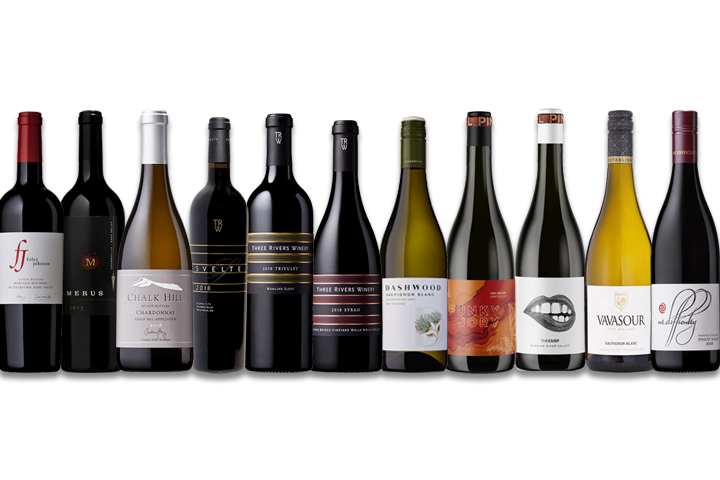
From Napa to Oregon and New Zealand, our Foley family wines are catching the attention of the world’s top critics. And the superlatives are flying! From “Richly opulent,” and “balanced, stylish” to “Smooth and generous,” this list has something for everyone.
So, scroll below for a snapshot of some of the recent praise our wines have garnered, along with a buy button if available, or where to find near you. Thanks as always for your support! – FFWS
2017 FOLEY JOHNSON RUTHERFORD ESTATE MERITAGE
93 Points, James Suckling
“Aromas of ripe plums, black cherries, cloves and walnuts. It’s full-bodied with firm, sleek tannins. Some savory dried-herb notes to this, too, complementing the polished, spice and cocoa flavors. Drink or hold.” – JS
“I like the blueberry and cedar aromas with hints of violets. It’s medium-to full-bodied with very fine tannins that are firm and polished. Flavorful finish. Nicely crafted. Drink or hold.” – JS
AVAILABLE SOON – INQUIRE!
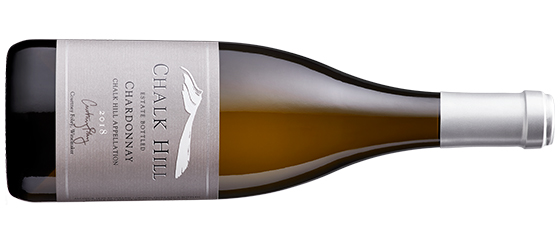
2018 CHALK HILL ESTATE CHARDONNAY
90 Points, Wine Enthusiast
“An acid-driven beginning evolves into a bigger, richer style on the midpalate of this wine, which is richly opulent in caramel, brioche and an intensity of fig. Rounded and lengthy, it has full-figured flavor.” – Virginie Boone
2020 DASHWOOD SAUVIGNON BLANC MARLBOROUGH NEW ZEALAND
90 Points, James Suckling
“Passion-fruit, ripe-peach and lime-curd aromas with plenty of energy, leading to a palate that is packed with bright and zesty tropical-fruit flavors. Refreshing and drinkable. Drink now. Screw cap.” – JS
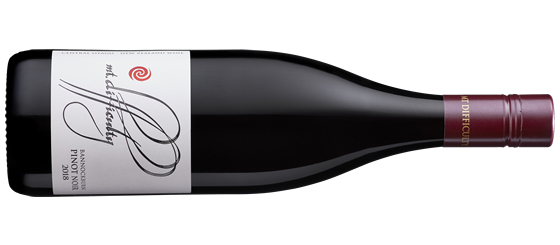
2018 MT DIFFICULTY PINOT NOIR CENTRAL OTAGO BANNOCKBURN NEW ZEALAND
93 Points, James Suckling
“Quite an intense, rich, red and dark-cherry and red-plum nose. There are some sappy and spicy elements on offer, too. The palate has such smooth, fleshy and fluid texture with bright red cherries sitting up on the finish. Drink now. Screw cap.” – JS
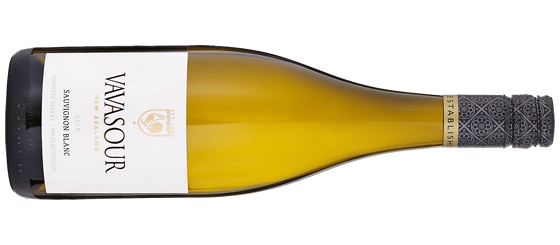
2019 VAVASOUR SAUVIGNON BLANC MARLBOROUGH NEW ZEALAND
91 Points, James Suckling
“Very fresh and attractive lime and passion-fruit aromas and flavors here. There’s a fine and long feel to the palate. Acidity slides the fresh, ripe fruit in fresh and long. Drink now. Screw cap.” – JS
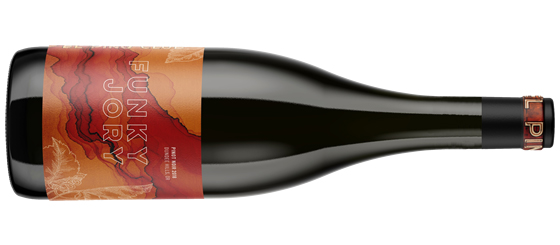
2018 EL PINO CLUB FUNKY JORY PINOT NOIR (DUNDEE HILLS)
91 Points, Wine Enthusiast
“El Pino Club adds an Oregon Pinot to its growing portfolio with this full-bodied and fleshy wine. A burst of ripe, fresh strawberry fruit fills the palate. It was aged in one-quarter new French oak, which balances out well and adds a streak of caramel as it rounds off the finish.” – Paul Gregutt
Our tasting rooms around California wine country are reopening, and our hospitality staff is teeming with energy and excitement, looking forward to welcoming guests safely and efficiently. We know that many of our longtime Foley Food & Wine Society members also live a good distance from California wine country, so we’re introducing a new series dubbed “What You’re Missing” to give you a sense of what’s new and exciting at our tasting rooms throughout California, and beyond.
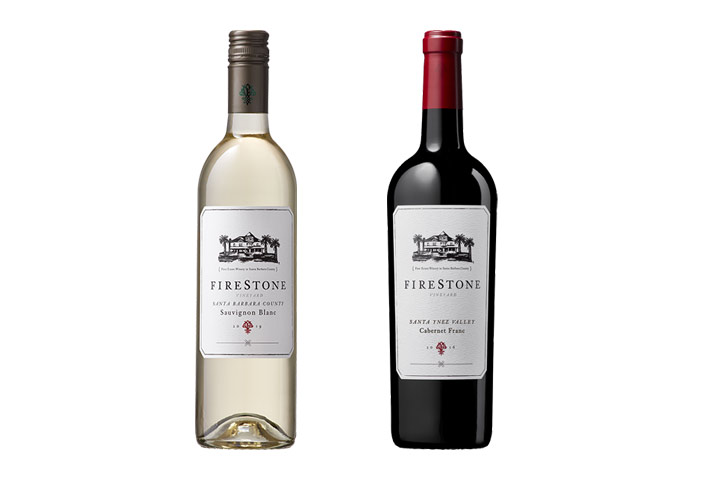
Last month we featured Firestone Vineyard in Los Olivos, California, and this month we’re turning our attention to Lincourt Vineyards with Chase Yost, Senior Manager, Guest Services.
If you’re close enough to join us, we hope you do, and to the rest of our far-flung fans, when it’s safe and secure for you to travel, we will welcome you with a long-overdue glass of wine!
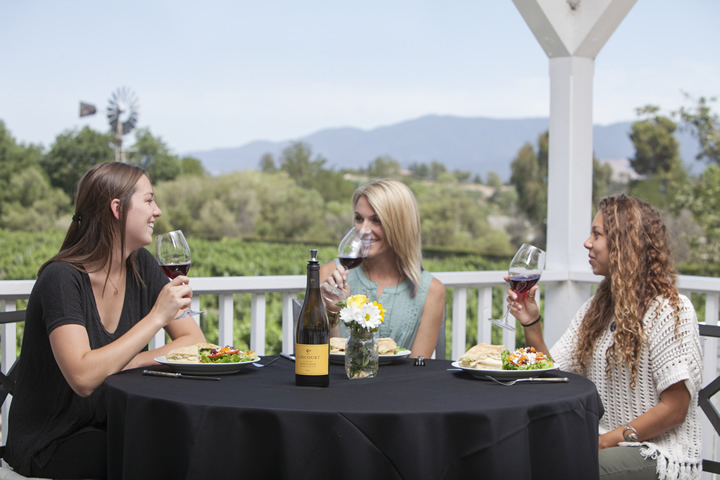
FFWS: Tasting Rooms are once again open in California and you’re offering Seated Table Service. Describe the experience and what guests may expect in terms of wine poured food options, and the length (and rules) of the tasting. Chase Yost (CY): The Lincourt seated table service offering is an elevated tasting experience hosted by one of our dedicated wine educators. The old days of being three deep at the bar are over. We have very much so adopted the restaurant model into our outside vineyard setting and have been hearing great feedback from our members on how the experience has vastly improved over the course of this last year. Our goal is to make this an educational and fun family experience for our customers and that is exactly what we are offering.
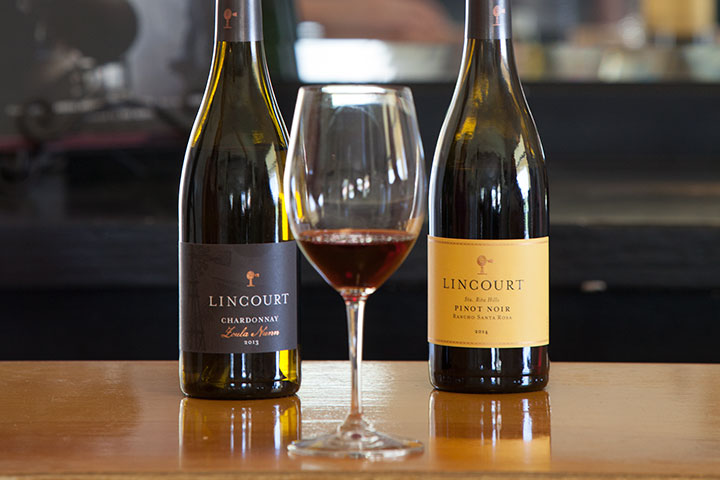
Our current lineup of wine offerings consists of some stand-out Estate Pinot Noir and Chardonnays from St. Rita Hills AVA accompanied by our ever-so-popular Rosé of Grenache. Every now and then, we might even pull out a 2015 library offering, just to show off a little bit.
We are currently offering a cheese and charcuterie plate, provided by High on the Hog Catering, which generously feeds two people and is an optional add-on to your wine tasting experience.
Reservations are required; 90-minute time limit per reservation, all seating is outdoor tables- exactly how we have been currently operating, so no changes on that front.
We have seen an increase in demand for these tastings, so we do recommend booking your reservation 2-3 weeks in advance to secure a table for your experience!
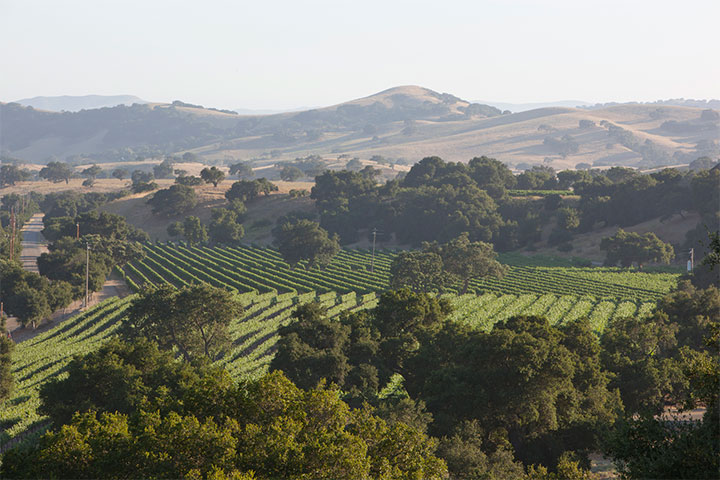
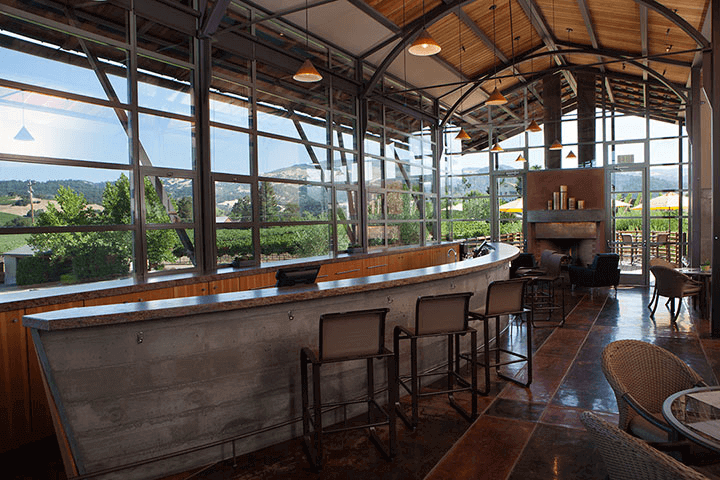
FFWS: What have we been missing out on in terms of the setting and atmosphere at Lincourt? What has changed? What’s the weather like now and what will it be like over the summer? CY: One thing we have invested in recently at Lincourt is more shade infrastructure and more comfortable outdoor lounge areas. Where we are located in the Valley is one of the hottest spots, nestled in between the quaint Danish town of Solvang and the adult Disneyland that is the town of Los Olivos. We aim to make sure each guest experiences maximum levels of comfort and relaxation during their visit. Although we do not expect to see temperatures quite like the record-setting 122-degree day we saw last summer, we do expect a typically warm California summer season with loads of sunshine. *Cue the stainless steel Chardonnay*
Pro-tip: Come visit us during late April or early May to see our vineyard crew in action, replanting our estate Sauvignon Blanc vineyard, located in the front of the property.
FFWS: For guests taking day trips to the area do you have any insider local recommendations for food options? CY: There is a flurry of amazing restaurants and local cuisine in Santa Barbara wine country, and specifically in the Santa Ynez Valley. One of my new local favorites is, “Sear Steakhouse,” in downtown Solvang. The new “hot toy” in town, I can personally confirm their filet mignon and lobster-mashed potatoes are all the rage. Other local favorites and standouts: Succulent Café, Industrial Eats, Leonardo’s, and The Lucky Hen Larder. I have heard through the grapevine of many new restaurant concepts that will be opening in our area sometime in 2021, something exciting to look forward to.
FFWS: At the tasting room, you and your staff are always tasting wines and typically get to talk up wines that perhaps have been cellared a bit but are showing beautifully now — are there any of those wines people are definitely missing out on that you’d suggest purchasing for springtime enjoyment? Red or white? CY: This is a great question…and the answer is…YES! We have carefully selected some of our favorite offerings to cellar and bring out for a library release later this spring and summer. The 2015 and 2016 vintages were exceptional and those Pinot Noir and Chardonnays are singing. If you are lucky enough to get your hands on a bottle of either the 2015 Lindsay’s Pinot Noir, 2015 Willie Mae Pinot Noir, or 2016 Two Sisters Reserve Chardonnay, I would recommend doubling up — so inquire about those as they are not currently available online!
Our tasting rooms around California wine country are reopening, and our hospitality staff is teeming with energy and excitement, looking forward to welcoming guests safely and efficiently. We know that many of our longtime Foley Food & Wine Society members also live a good distance from California wine country, so we’re introducing a new series dubbed “What You’re Missing” to give you a sense of what’s new and exciting at our tasting rooms throughout California, and beyond.
First up, Jourdan Gantt, Manager of Guest Services at Firestone Vineyard in Los Olivos, California, gives us the scoop on what’s happening at Firestone, and what we’ve all been missing out on when it comes to wine and the experiences of visiting Firestone in person.
If you’re close enough to join us, we hope you do, and to the rest of our far-flung fans, when it’s safe and secure for you to travel, we will welcome you with a long-overdue glass of wine!
FFWS: Tasting Rooms are once again open in California and you’re offering Seated Wine Tastings in your Courtyard. Describe the experience and what guests may expect in terms of wines poured and the length of the tasting. Jourdan Gantt (JS): Our seated wine tastings are by reservation only and guests receive an hour and a half during their visit time. We offer pre-poured tasting maps of five (5) wines on our stemless tasting flight. Typically, we offer two (2) white wines and three (3) red wines on the tasting flight but we also have customizable options as well! If a guest prefers just reds or whites, they can ask their Wine Educator for a customizable flight!
FFWS: At present, you’re featuring a Wine Club Member-only Exclusive Tasting on the Lower Terrace. Describe the experience and what guests may expect in terms of wines poured and the length of the tasting. JG: The lower terrace is a brand new Wine Club exclusive experience! Enjoy private views of the vineyard, wines by the glass or by the bottle, or four (4) complimentary wine tastings with membership benefits. Reservations are 2 hours long and can be reserved two weeks in advance along with a customizable charcuterie plate. There is a bottle buyout requirement of six (6) bottles in order to book this experience.
FFWS: Aside from the tasting experiences offered, can you talk a bit about what people have been missing out on in terms of the setting and atmosphere at Firestone? You may have to remind us! What’s the weather like now and what will it be like over the summer? JG: We have the courtyard set up with pop-up tents in case of rain, heaters to take the bite away from any cool maritime breezes, and padded seats to ensure you have the most comfortable outdoor experience. It has been a cold, windy season for us so we encourage all of our guests to bundle up and we even bring extra jackets and blankets! We’re constantly working on improving the outdoor experience for our guests!
FFWS: How long is the drive from L.A.? From Paso? From San Francisco? And do you have any recommendations for places to stop and pick up food to make the day-trip viable? JG: We are located about two and a half hours from Los Angeles, and we’re just a one-and-a-half-hour drive from Paso. From San Francisco, it’s about a four-and-a-half-hour trek, depending on traffic of course! If you are looking for a grab-and-go option to bring to the winery we have several places that we love to recommend! Panino’s in Los Olivos makes gourmet sandwiches and salads to-go. The market is close to the winery, and almost everything they make is super delicious. Another great option is the Lucky Hen Larder which is located in Santa Ynez, and you can order customizable charcuteries plates to go or gourmet sandwiches! If you’re looking for a nice sit-down restaurant, Dos Carlitos for Mexican cuisine or The Brother’s at Red Barn for a steak are two of my personal favorites to wind down at after a day of wine tasting.
FFWS: At the tasting room, you and your staff are always tasting wines and typically get to talk up wines that perhaps have been cellared a bit but are showing beautifully now — are there any of those wines people are definitely missing out on that you’d suggest purchasing for springtime enjoyment? Red or white? JG: If you are more geared towards red wines, our 2016 Cabernet Franc is showing really well. It’s perfectly balanced with dark fruit and a wonderfully smooth finish because it’s had some time to lay down. My personal favorite in the spring is our 2019 Barrel Select Sauvignon Blanc, done in a neutral barrel and it is the perfect wine to pair with fresh fish or seafood.
This year, Open That Bottle Night fell on Saturday, February 27. The brainchild of former Wall Street Journal ‘Tastings’ columnists and married couple Dorothy J. Gaiter and John Brecher, Open That Bottle Night (#OTBN) debuted in 1999 and has since been one of the most anticipated nights for wine lovers around the world. It’s the night to open a bottle of wine that you’ve been saving for some special occasion.
Today, Gaiter and Brecher are senior editors at Grape Collective, but an article that they penned in the WSJ back in March of 2002 best explains OTBN. Here are the opening few paragraphs:
“Twelve years ago, Carolyn Stewart of Cedar Crest, N.M., received a bottle of Dom Perignon for her birthday. And then she waited.
“In all those years there were certainly enough special or awful occasions to warrant opening it,” she told us. Her parents celebrated their 50th wedding anniversary, she lost and regained her eyesight, and she bought her first house as a single woman. Her daughter graduated from college, her son came home from the Army, and after 13 years of being single, she remarried — on her parents’ anniversary. “Still,” she says, “the bottle was not opened.”
On Saturday, Feb. 23, Ms. Stewart finally opened that bottle, and she wasn’t alone. From Miami to Maui and from Austria to Australia, thousands of people took part in our third “Open That Bottle Night,” when we encourage everyone to open that bottle of wine they’ve been keeping for a grand occasion that never seems to come.”
And, incredibly, one line in the next paragraph of that 19-year-old story reads as though it could have been written yesterday: “Many of the letters about previous OTBN celebrations have been deeply emotional, and we thought that might be magnified this year. Instead, most letters this year were low-key and simply sweet, making us wonder if America is just emotionally wrung out.”
Then, the authors were referring to the emotional fallout from the events of 9/11. But those same words could have easily been written about the past twelve months, most notably the ongoing COVID-19 crisis, devastating wildfires, and a historically intense presidential election. We can probably all agree that more light-hearted celebrations are absolutely in hand for 2021 (and beyond!).
As for the wine—whatever you choose to open—it should be monumental! So, mark your calendar every year, and come late February, dig into the cellar and find a bottle or two you’ve been saving (maybe not the one you’re saving for your granddaughter’s 21st birthday or wedding, but something pretty darn close!)
Be sure to follow us on Instagram, Facebook, or Twitter and let us know what you opened this year! (Hopefully a Foley Family Wine?!) If you didn’t partake, it’s never too late — so Open That Bottle and tag us and include the hashtag #OTBN and we may just share your post with all our Foley Food & Wine Society community.
OPEN THAT BOTTLE NIGHT – WHAT WE OPENED
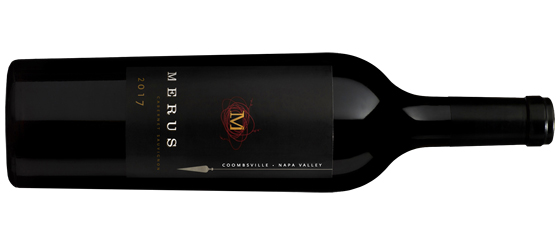
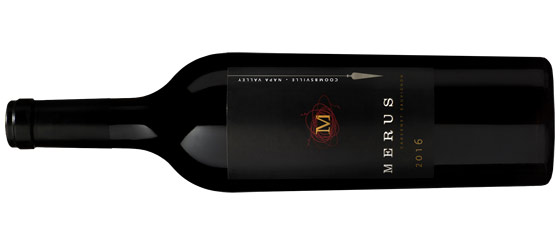
2016 MERUS CABERNET SAUVIGNON COOMBSVILLE NAPA VALLEY ($195)*
96 points from Wine Spectator: “A towering young wine, laden with gorgeously pure plum, boysenberry and blackberry puree flavors, showing flashes of violet and apple wood. Beautifully rendered, with power, grace and beguiling perfume throughout, revealing a long, refined structure through the finish. Best from 2021 through 2035.”
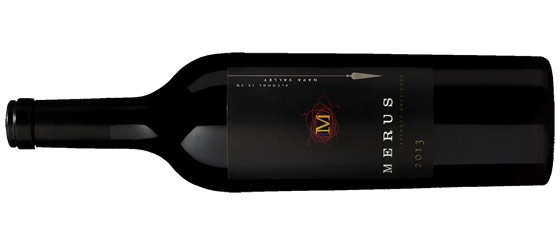
2013 MERUS CABERNET SAUVIGNON NAPA VALLEY ($260)*
93 points from Robert Parker’s Wine Advocate: “The 2013 Cabernet Sauvignon is a relatively big, robust, rich Cabernet Sauvignon (15.2% alcohol) with a dense ruby/purple color, creamy, toasty oak. Loads of blueberry and blackberry fruit and an opaque purple color, this full-bodied wine is still young, but really savory, rich and bold. What it lacks in complexity it makes up in size and intensity. Drink it over the next 15 or so years.”
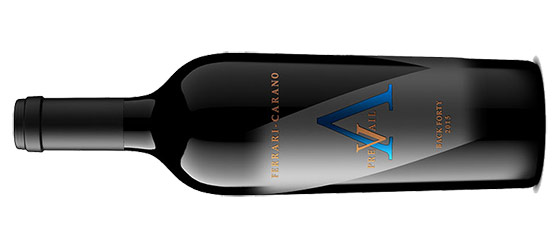
2015 FERRARI-CARANO PREVAIL BACK FORTY CABERNET SAUVIGNON ALEXANDER VALLEY ($110)*
93 points from Robert Parker’s Wine Advocate: “Medium to deep garnet-purple colored, the 2015 Cabernet Sauvignon PreVail Back Forty is scented of warm redcurrants, black cherries and black plums with touches of underbrush, baking spices, chargrill and cigar box. The palate is full-bodied with bags of vibrant fruit, an impressively well-played structure of ripe, grainy tannins and a lively line lifting the fruit to a long finish.”
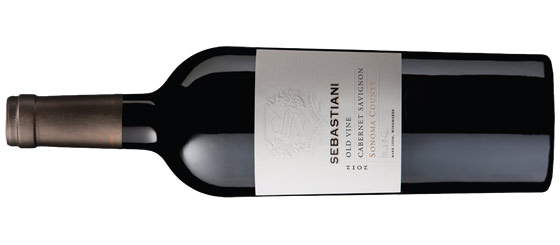
2013 SEBASTIANI CHERRYBLOCK CABERNET SAUVIGNON SONOMA COUNTY ($200)*
This vintage earned a 98+ from Robert Parker himself, and that “+” means anything could happen — as in, rising to the pinnacle of 100-point perfection. The vintage was Parker’s absolute favorite for Napa and Sonoma in all of some nearly 40 years of tasting wines, and he effused sheer love and joy for this Cherryblock release, writing, that it “ratchets up the level of color to basically black/blue/purple. It has an extraordinary nose of almost super-concentrated essence of cherries and blackberries, along with some graphite and licorice. There is a touch of camphor in this multidimensional, world-class wine that is another spectacular offering from Sebastiani. The finish must last for close to a minute. This is a killer wine that can compete with the very best Cabernet Sauvignons made anywhere in the world. Give it 3-4 years of cellaring and drink it over the following three decades.”
*Due to these library wines’ high-demand, rarity, and limited quantities, they are not available to acquire on our website. To add these wines or other library wines to your collection, we invite you to contact John Mangano, Senior Manager Consumer Direct at 707-933-3262 (direct) or email jmangano@foleyfamilywines.
IF YOU HAVE THESE WINES IN YOUR CELLAR, NOW IS THE TIME
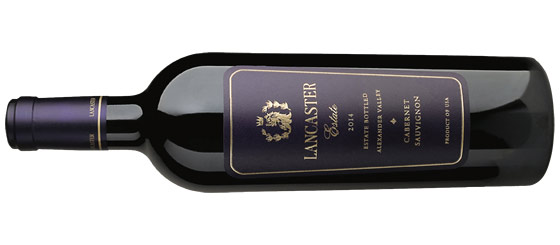
2014 LANCASTER ESTATE CABERNET SAUVIGNON ALEXANDER VALLEY
Named #86 on Wine Spectator’s 2017 Top 100 List and 94 points by Spectator’s James Laube who called it, “A big, rich Cabernet, with firm, structured tannins that are powerful and edgy, framing the core of blackberry, black cherry, plum and espresso flavors. An impressive effort. Best from 2019 through 2029. 4,075 cases made.” This is a wine that is really beginning to open up and if you’re harboring a few bottles, now is the moment to pop the cork on at least one!
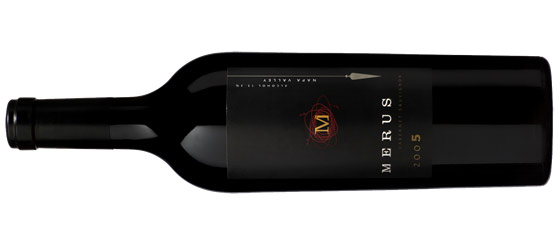
2005 MERUS CABERNET SAUVIGNON NAPA VALLEY
This vintage is overflowing with praise, having landed on Wine Spectator’s Top 100 List in 2008 with a whopping 96-point review from Laube, who described it as “Superrich, smooth and creamy. A seductive style that balances ripe, concentrated currant, cherry, fresh earth, mineral and sage notes with toasty, cedary oak. Ends with a powerful yet elegant finish that keeps pumping out the flavors. Fine-grained tannins bode well for the future.” Add to that, a remarkable review from Robert Parker’s Wine Advocate which found a “dense purple-colored,” 96+ point red with “an exquisite nose of charcoal, graphite, and blackberry liqueur. Full-bodied, with great power, richness, and sensational length, this wine will benefit from 4-5 years of bottle-age and last three decades.”
There’s no direct path to winemaking. Talk to any winemaker, and you’ll hear much the same story: I was supposed to go into engineering, and then, I got bit by the wine bug. For Alicia Sylvester of Banshee Wines, however, winemaking may have been a calling thanks to her family. She grew up on a farm, focused on almond growing, but—there were vineyards planted as well. As she dives into the Banshee portfolio, she brings with her an impressive CV of experience from some of California’s greatest winemaking talents.
Get to know Alicia in our Q&A below, and above all, get better acquainted with our Banshee portfolio, and of course, when it’s safe for you and yours, come for a visit.
Banshee Wines tasting room in Healdsburg, California.
FFWS: How did you become a winemaker? Alicia Sylvester (AS): I grew up in an almond-farming family, but we also had 20 acres of vineyards, so harvesting grapes has always been a part of my life. At Cal Poly, I majored in Agriculture Business and took on a minor in wine-related studies. I got hooked and never looked back. My roommates and I started wine tasting in Paso Robles on the weekends, developing our palates. I spent 10 weeks studying abroad in South Australia on all wine business-focused courses. Before graduation, I acquired my first harvest enologist position at Provenance in Napa and I vividly remember driving to my first day on the job, winding through the Valley, in awe of the beauty and its differences from the Central Valley and the Central Coast. I was met by the assistant winemaker, given a tour and tasting, and that was it—my mind was blown, and I knew right then and there that being a winemaker is what I would do for the rest of my life!
FFWS: Tell us about some of your mentors and how they’ve impacted your winemaking life. AS: Having great mentors is very important in all industries but especially in our very small wine industry. I will never forget the lessons on sustainability that Tom Rinaldi taught me. As the Senior Winemaker at Provenance, Rinaldi was inevitably the one dumpster-diving to ensure recycling and trash were correctly separated! No job too small!
From Chris Cooney, I learned that attention to detail is critical in good winemaking. When filling new barrels, if I let even one or two drops of wine on each barrel, that was one or two drops too many! In Italy, I was the padawan and my winemaker Lorenzo Misciattelli Mocenigo Soranzo, the Jedi Master. It was my second harvest and I’ll always remember the difficulties of owning and managing a castle, winery, vineyard, various agriculture crops, cattle, tasting room, and agriturismo. If you don’t have the passion and drive; you aren’t going to make it.
Working with David Drake at Lancaster Estate has helped me to stop and smell the flowers. “This is Sonoma County” he would say, insinuating the calmer, more relaxed vibe Sonoma County has to offer. We’ve been in the epicenter of a few large forest fires over the past years. It is something we don’t much control over, and as winemakers, we typically like to be completely in control! So, these days, I take the “David Drake” approach and stay calm. Our lives and well-being are more important in the end.
Finally, when learning how to make Chardonnay at Sonoma Cutrer, Cara Morrison has always been an inspiration. Her drive for experimentation is crazy cool; we can never stop improving our wines! And being part of the planning committee for the Napa/Sonoma Women for WineSense, Winemaker’s and Viticulture Roundtable, we have a group of solid strong women who I feel I can reach out for advice in any situation.
FFWS: It seems you’ve been focused on Bordeaux varieties, having made wine at Lancaster and Merus, and now that you’re at Banshee your world must be expanding in terms of grape varieties and styles. AS: Banshee is all about Pinot Noir. I have tasted lots of Pinots from all over the world and now I get the opportunity to make it in one of the best growing regions in the world. It’s an exciting challenge that I’m ready to tackle. Bordeaux varieties are hardier grapes, while Pinot is more delicate, with more natural acidity, and prefers less new oak in terms of aging. Banshee has a wide range of grapes to play with, from sites in the Russian River Valley to Carneros—and some of our DTC (direct to consumer and wine club or tasting room only wines) are made from single vineyard sources, and some are only about four barrels. Very exciting!
FFWS: Giving us the 3,000-foot view, how would you characterize the style of wines being made at Banshee? AS: Banshee strives to not be your “typical” wines. We are fun, relaxed, a bit different, and want the wines to reflect those values. We want our consumers to be able to have conversations about the wine every time they revisit the glass. Not just the typical “smells like wine” but more like “ooh, what’s that?!”
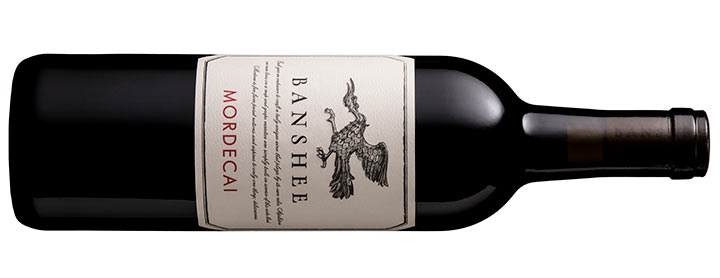
FFWS: For any FFWS members new to Banshee where would you suggest they begin? For longtime Banshee fans, what would you say is the most out-there bottle to try next? AS: If you are new to Banshee I’d suggest starting with our flagship Sonoma County Pinot Noir. If you’re a long-time Banshee devotee, I would suggest trying out the Mordecai Red Blend or the Sullivan Pinot Noir from Sonoma Mountain. For all those Foley Food & Wine Society white wine drinkers out there—heads up! I’m currently blending the 2019 Sonoma County Chardonnay; so be on the lookout for its release. The Heintz Vineyard and Bohemian Vineyard Chardonnays should hold you over until then…and now it’s time for some wine because my mouth is watering!
Maybe this sounds familiar: You drink a glass of your favorite wine, and it feels like the wine is seducing you. You didn’t really notice it before, but sparks fly—this is wild!—and suddenly it all starts to make sense; it’s love, only it’s just wine. The next best thing would be to find a new lover, a human one, who can fill the void in your heart.
Here are the human equivalents of five of our most popular grape varieties to help guide you on your path this Valentine’s Day.
1) CABERNET SAUVIGNON
Your valentine is a marketing executive with a nice car. In high school, they were voted “Most Likely to Succeed.” They make a killer lasagna. Your valentine is Cabernet Sauvignon. Tall, dark, head-turning attractive, and always popular, but convinced they’re just another regular Joe looking for that special someone to share the rest of their life with. If they play their cards right, they’ll win you over in spades. Lucky for you, right is the only way they know how to play their cards.
Summa Cum Laude. Speaks five languages. Bassoon virtuoso. An overachiever? Maybe, but Chardonnay is nothing short of an impressive date. The grape is known as the chameleon of varieties because its flavor reflects the environment it comes from. And like the grape, your valentine feels at home discussing topics in several fields, from baseball to Broadway musicals to laser tag. Listen to your mother: Don’t screw this one up.
Easy-going, soft-hearted, and sociable, Merlot is the valentine that gets you flowers not because they match your outfit but because they match your wallpaper, which is sweet in its thoughtful way. More than likely, Merlot works in academia—the humanities department to be specific—keen on history and literature. If poetry gets your gears going, Merlot knows the best poems and keeps them among a comprehensive book collection. How to make this valentine blush? Read them a poem by Keats.
Your valentine is an artist with a magnetic smile, a personality that sparkles with candor and whimsy; their beauty casts a magic spell where you just can’t look away. Sounds like a Pinot Noir across your dinner table! But Pinot Noir has an artist’s temperament. Like the grape, they’re thin-skinned and therefore prone to misunderstandings, so when things are bad, they’re bad, but when they’re good, they’re amazing. Pinot Noir is a good match for people who think drama is the spice of life.
Camping gear? Check. Scented candles? Check. Prius? Checkmate! Like the grape variety, which often carries an aura of herbaceous flavor, your valentine, Sauvignon Blanc, is an earth-minded lover of mother nature. When they aren’t volunteering at the local river clean-up, they’re improving upon a new recipe for kimchi and kombucha. But they’re not all trail mix and recycling; if you’re lucky, they’ll take you on a canoe ride you’ll never forget.
HEALDSBURG, CA, FEBRUARY 9, 2021 – Foley Family Wines today announced that it has signed a national distribution agreement with Southern Glazer’s Wine & Spirits (Southern Glazer’s)—the world’s preeminent distributor of beverage alcohol. Through this national alignment, Foley Family Wines will benefit from Southern Glazer’s national scale, unmatched route-to-market capabilities, and industry-leading Proof® e-commerce platform to drive efficiencies in the FFW business and growth for its expanding portfolio of luxury brands. Concurrent with this national distribution agreement, Southern Glazer’s has signed definitive agreements to acquire certain assets of Epic Wine & Spirits of California (Epic), with the transaction to be completed subject to typical closing conditions.
This new alignment coincides with the launch of Southern Glazer’s new Fine Wine and Artisanal spirits strategy, aimed at enhancing the route to market and customer service aspects for our restaurant, fine wine, and craft spirits partners.
“This is a new era for Foley Family Wines, following their recent acquisition of Ferrari-Carano, as they look to accelerate growth for their world-class portfolio across the U.S.,” commented Wayne E. Chaplin, Chief Executive Officer, Southern Glazer’s Wine & Spirits. “Our two family-owned businesses are committed to working together to build on past successes, further develop their great brands, and create a long-term and fruitful partnership well into the future.”
“The expanded relationship with Foley Family Wines reinforces our commitment to the fine wine category, one which we expect to see continued growth,” added Gene Sullivan, Chief Sales and Marketing Officer, Southern Glazer’s Wine & Spirits. “We remain dedicated to developing the dynamic fine wine business, and with that, delivering the best results for the Foley Family Wines portfolio of luxury brands.”
About Foley Family Wines Established by Bill Foley in 1996, Foley Family Wines is a portfolio of highly-acclaimed wines from some of the world’s greatest vineyards. Every brand in the company’s portfolio has a distinct style and legacy. Foley Family Wines owns the following properties in California: Foley Sonoma (Geyserville), Chalone Vineyard (Monterey), Foley Estates (Sta. Rita Hills), Lincourt Vineyards (Solvang), Merus (Napa Valley), Foley Johnson (Napa Valley), Kuleto (Napa Valley), Chalk Hill (Sonoma County), Ferrari-Carano (Sonoma County), Sebastiani (Sonoma County), Lancaster Estate (Sonoma County), Firestone Vineyard (Santa Ynez Valley), Eos Winery (Paso Robles), Roth Estate Winery (Sonoma County), Banshee (Sonoma County). The company also owns Three Rivers Winery in Walla Walla, WA, Acrobat (Oregon) and The Four Graces in Dundee, OR. In New Zealand, the company owns Vavasour (Marlborough), Clifford Bay (Marlborough), Grove Mill (Marlborough), Dashwood (Marlborough), Martinborough Vineyard (Martinborough), Te Kairanga (Martinborough), and Mt. Difficulty (Bannockburn, Central Otago)
About Southern Glazer’s Wine & Spirits Southern Glazer’s Wine & Spirits is the world’s preeminent distributor of beverage alcohol, and proud to be a multi-generational, family-owned company. The Company has operations in 44 U.S. states, the District of Columbia, and Canada. Southern Glazer’s urges all retail customers and adult consumers to market, sell, serve, and enjoy its products responsibly. For more information visit www.southernglazers.com. Follow us on Twitter and Instagram @sgwinespirits and on Facebook at Facebook.com/SouthernGlazers.
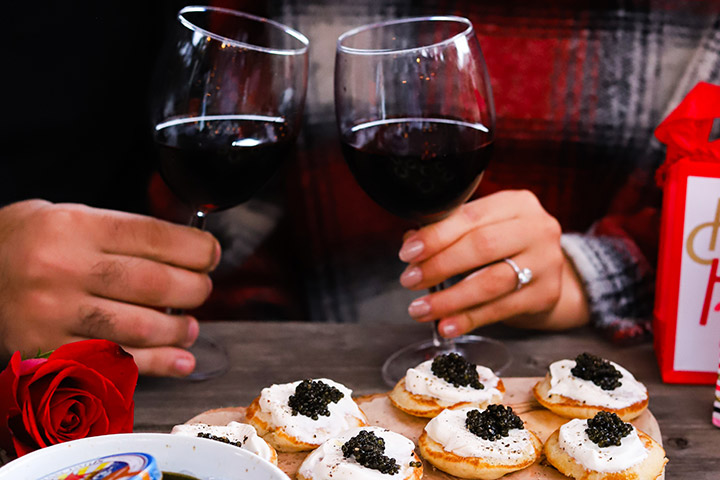
When considering what to pair with caviar, we typically first think of vodka. But did you know one of the world’s finest delicacies pairs exceptionally well with wine?
For one thing, caviar production is similar to wine production in that just as with the grape harvest, the harvest of sturgeon eggs (roe) is a timely process that demands the best of conditions to ensure the greatest quality.
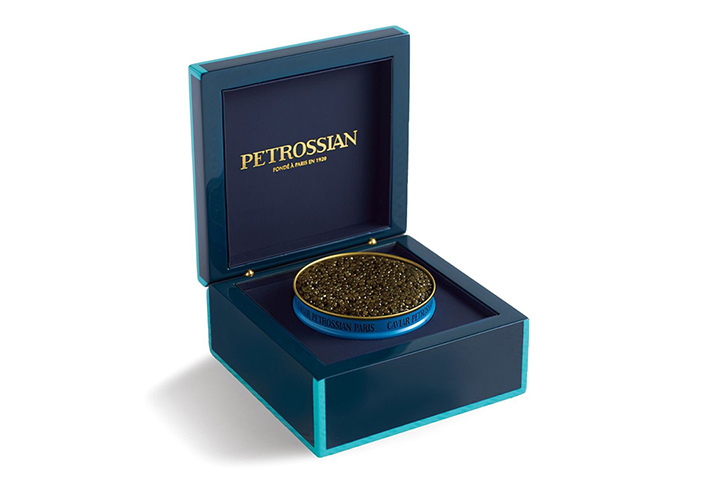
Back in the 1920s, brothers Melkoum and Mouchegh Petrossian brought their love of fine caviar to Paris, and the City of Light never looked back. More than 100 years later, the lights are still blazing at Petrossian’s original boutique on the Boulevard de la Tour-Maubourg.
We spoke with Petrossian vice president Alexandre Petrossian, about pairing wine with caviar. So, whether you’re a seasoned caviar pro, or now just beginning to think “maybe I’ve been missing out,’” here is your crash course in everything caviar, along with some recommendations from various Foley Family wine cellars—and this story comes with our sincere recommendation to skip the tin of chocolates this Valentine’s Day and opt for a tin of glimmering, delectable, world-class caviar. Go on, friends, live it up.
FFWS: Let’s dive right into caviar production. We’re a wine-drinking audience, and we understand that superior quality grapes make superior quality wine. Does that apply to harvesting roe for caviar production? Better roe = better caviar? Alexandre Petrossian (AP): It can be very helpful to think of caviar in a similar vein to wine. Each type of roe (Ossetra, Sevruga, etc) has a unique flavor profile, just as Cabernet differs from Pinot Noir. However, not all Cabernet grapes or eggs [roe] are made equal. While terroir is not important to caviar, the time and craftsmanship of the sturgeon farmers is essential to the quality of the eggs. The most prestigious farms tend to allow their sturgeon to live longer and mature further, producing superior roe. Petrossian works exclusively with these top farms all over the world, often advising them [on how] to achieve the best results. We often hand-select the 10-kilogram “Mother Tins” directly from the farm. But with wine, even the best grapes need superior craftsmanship to bring them to perfection.
FFWS: Petrossian prides itself on aging its caviar. Is it a bit like aging wine? (AP): Unlike other suppliers, Petrossian has the time and patience to mature our caviar for months in order to reach peak taste and texture, using our 101-year-old family method. This is the only way to achieve sublime caviar, while others are buying in bulk and rushing their eggs to market. This kind of difference [is evident] to anyone who has worked their way up from $10 wines to the best [$100+ wines].
FFWS: Can you give a brief overview of the different grades of caviar? (AP): Even within the highest echelons of caviar, we find differences in taste and texture from Mother Tin to Mother Tin. Caviar is organic and can mature in unpredictable ways. During this process, we chart the growth of the caviar in minute detail, eventually assigning it a grade based on its quality at peak maturation. The grades are Classic, Royal, Tsar Imperial, President, and Special Reserve, in that order with Special Reserve as the pinnacle of all caviar. Though each caviar variety differs, higher grades tend towards larger eggs with a firmer texture, more complex but refined flavors, and a satisfying ‘gush’ on the palate.
Lower grades are not without their charms, though. Their flavor tends to be bolder, often brinier, and pairs brilliantly with heavier accouterments. We grade our caviar in order to give our clients a consistent standard of quality across all breeds and batches.
FFWS: What would you recommend to the tried and true caviar-lover and also, how would you steer beginners? (AP): While we‘d always recommend Special Reserve for the connoisseur, but you might want to use a ‘Classic’ grade if you’re planning to cook with caviar. Those bolder flavors tend to hold their own much better in creams and pasta dishes. First-timers might consider a grade like Royal to get acquainted with higher-end caviar’s unique blend of flavors.
FFWS: What are some ‘best practices’ and practical advice for storing, preserving, and then serving the caviar once it has arrived at your home? (AP): Our Caviar will maintain its peak taste and texture for up to four weeks, provided that the original seal of the tin has not been broken and the caviar is kept refrigerated at 38 degrees Fahrenheit. Your average refrigerator can usually do the job, so don’t be afraid to order in advance, especially during busy, holiday seasons. All our caviar is shipped overnight in sealed, ice-packed coolers to ensure complete freshness. Once you have broken the tin’s seal, we recommend keeping the caviar on ice and consuming it immediately (this is usually not a problem).
FFWS: You suggest serving on ice, but is caviar anything like wine—once out of the cellar, it’s good to let it rise to room temperature? (AP): Actually, the colder the caviar is, the more exciting the ‘pop’ will be on the palate. Never, ever freeze your caviar though. If an open tin is closed and immediately placed back in the refrigerator, it can last up to 24 hours, but we do not recommend this for peak taste/texture.
One last note. Never use a metallic spoon of any kind to serve or consume your caviar. While a gold-plated palette is acceptable, silver and other metals impart a metallic tinge to the caviar which can distort the flavor. We recommend spoons of bone or mother-of-pearl because they leave no trace (and maybe because we’re fancy.)
PAIRING CAVIAR AND WINE
FWS: Can you share any general do’s and don’ts when it comes to pairing caviar with red wine? (AP): For red wines, I would recommend only light Pinot Noirs. Big reds just overpower the caviar. But delicate Pinots with some bright acidity and earthiness pose a nice counterbalance to Caviars with just enough delicate fattiness to be an exciting pairing.
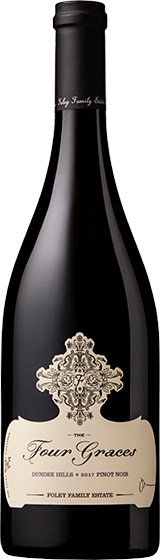
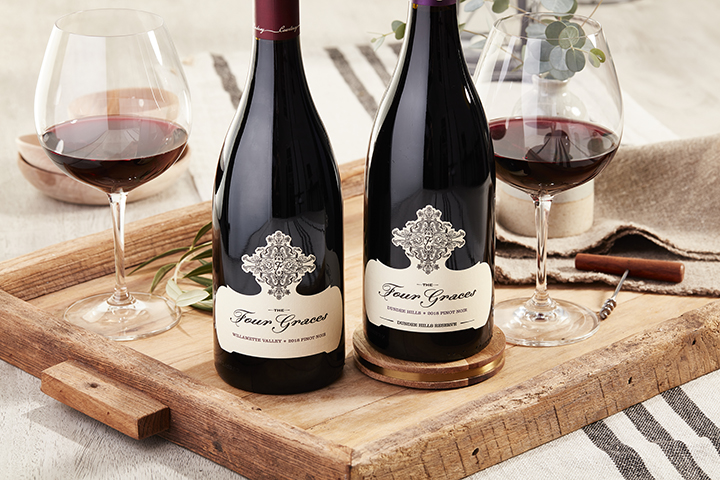
2017 The Four Graces Foley Family Vineyard Pinot Noir, Dundee Hills Rich and round and infused with the Aromas of wild forest strawberry and dried rose petal accented by notes of coffee bean and baking spices. Flavors of rich dark red plum and hints of earth and sage.
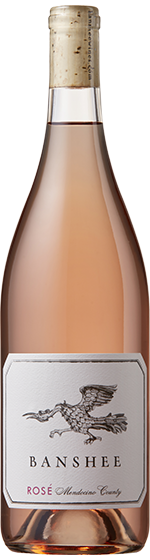
2019 Banshee Rosé, Mendocino County Just watch what happens when you pair this blend of Sangiovese, Grenache, Syrah, Barbera, and Zinfandel with another helping of caviar—fireworks. (Is Katy Perry’s song “Firework” echoing in your mind now?) It should be because that’s exactly what you’ll be singing after this juicy, crisp rosé goes down glass after glass, bite of caviar after bite of caviar…
BONUS: Ferrari-Carano Baci Dessert Wine, Dry Creek Valley Although this is not exactly a recommended pairing for caviar, it is the perfect Valentine’s Day wine for those chocolates you’ll have after Caviar, because this is a chocolate-infused Zinfandel dessert wine. Yes… you read that correctly: You Need This!
FFWS: What qualities should we look for in white wines to pair with caviar? (AP): For white wines, bright salinity and minerality go great with the Beluga Hybrid or Tsar Imperial Sevruga. My favorite producer from Burgundy with prices that are approachable (considering how astronomical the prices for White Burgundies can garner) would be Pierre Yves Colin-Morey.
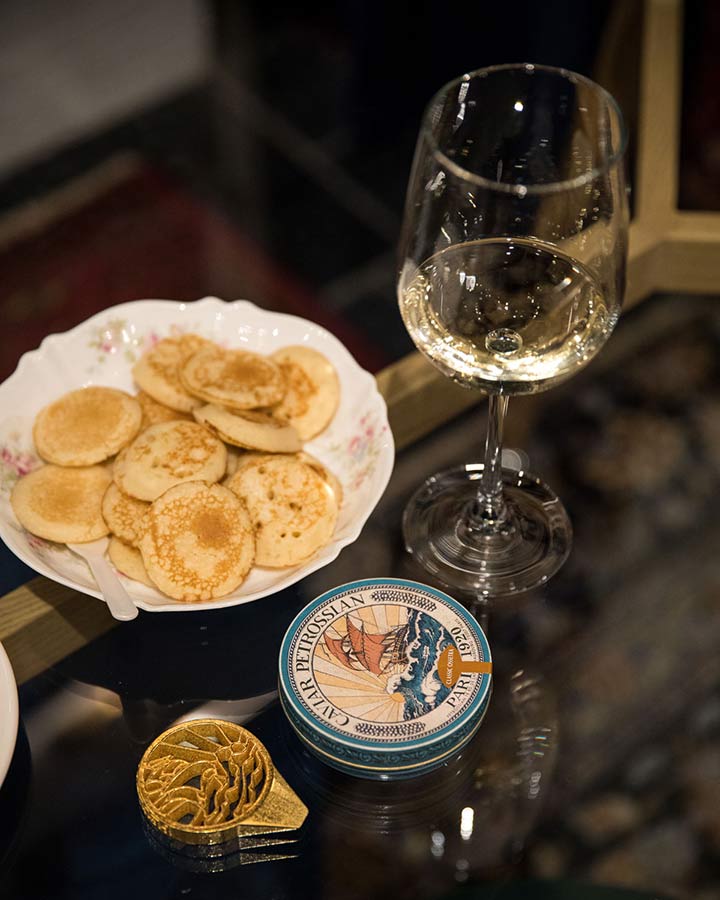
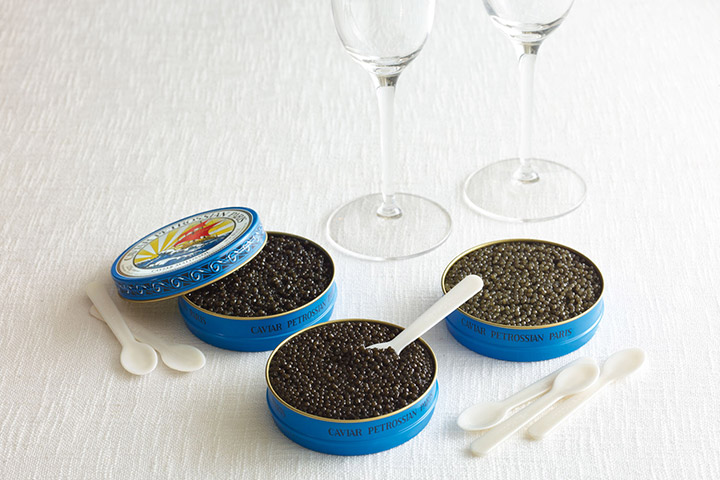
Petrossian Caviar Tasting at Home, featuring a taste of Royal Ossetra, Transmontanus, and Baika. Photo courtesy of Petrossian Caviar.
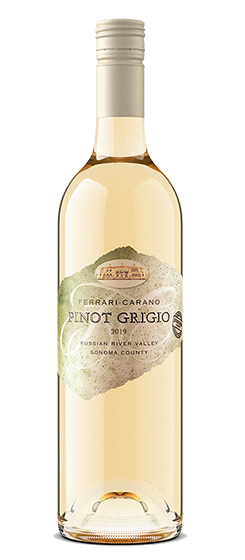
2019 Ferrari-Carano Pinot Grigio, Russian River Valley Citrus-packed, brimming with tropical and orchard fruit notes, aged entirely in stainless steel with a bit of stirring on the lees to add creaminess, just wait until you take a sip after a spoonful of Caviar. The creaminess of the wine matches the silken caviar and because this is a Russian River raised Pinot Grigio, it’s got the perfect Sonoma County acid cut to cleanse the palate beautifully. You’ll be swooning over this pairing (and your significant other) at the same time.
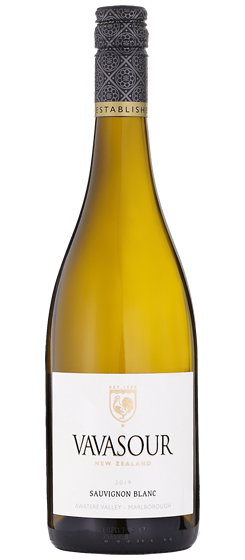
2019 Vavasour Sauvignon Blanc, Awatere Vly From the Awatere Valley, a sub-region of Marlborough comes this crisp, citrus-kissed, mineral-infused, floral New Zealand Sauvignon Blanc, which has “caviar pairing” written all over it. Add to that James Suckling’s 91-point review, which finds a “Very fresh and attractive” white teeming with “lime and passion-fruit aromas and flavors,” while “a fine and long feel to the palate,” is supported by bright acidity that “slides the fresh, ripe fruit in fresh and long.”
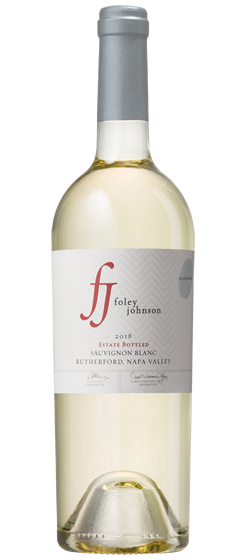
2018 Foley Johnson Handmade Sauvignon Blanc, Rutherford Concrete egg aging means this is one marvelously rich, creamy style of Sauvignon Blanc cut by the scintillating mineral-driven acidity that is only possible from Rutherford terroir. This is the kind of Sauvignon Blanc you want on-hand by the case—a beautiful ‘cocktail hour’ wine that is best friends with your favorite cheese and charcuterie platter, and for Valentine’s Day—your ultimate caviar companion.
FFWS: And what about sparkling wine and caviar? (AP): So much great sparkling wine, so little time! Generally speaking, most sparkling wines work well with Caviar. However, I typically recommend for the vast majority of guests to start with Blanc de Blancs or Non-Vintage Champagnes. These Champagnes really allow your palate to focus on the differences in the Caviar. I would recommend tasting three Caviars: Tsar Imperial Ossetra, Tsar Imperial Kaluga, and Tsar Imperial Baika with a bottle of your favorite Blanc de Blancs.
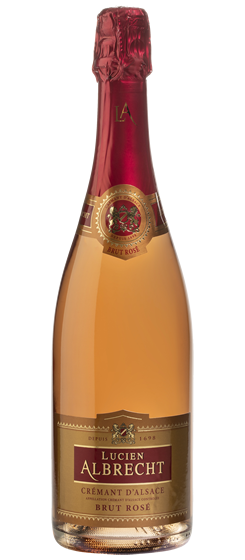
Lucien Albrecht Brut Crémant d’Alsace This is the white sparkler you want to sip after a generous spoonful of great caviar: Boasting 91 points from Wine Enthusiast, which named Lucien Albrecht a “Top French Sparkler” outside Champagne, Enthusiast notes this bubbly features, “Touches of lime and lemon zest entice on the shy but refreshing nose. The palate adds a mellow ripe-apple note, helped along by a creamy mousse. The long finish is poised and dry.”
Last year, we chronicled the Life of the Vines with Foley Family Wines Director of Viticulture Kara Maraden, and this year, we’re heading out of the vineyards and into the cellars to spotlight one winemaker each month.
First up, is Tim Jones of The Four Graces, our Pinot Noir and Chardonnay-focused Willamette Valley estate in Oregon’s stunning and vibrant wine country. Jones first joined the winery in 2018, and he’s got one of the most interesting stories you’ll probably ever read about… peas. So, from peas to Pinot, enjoy getting to know winemaker Tim Jones.
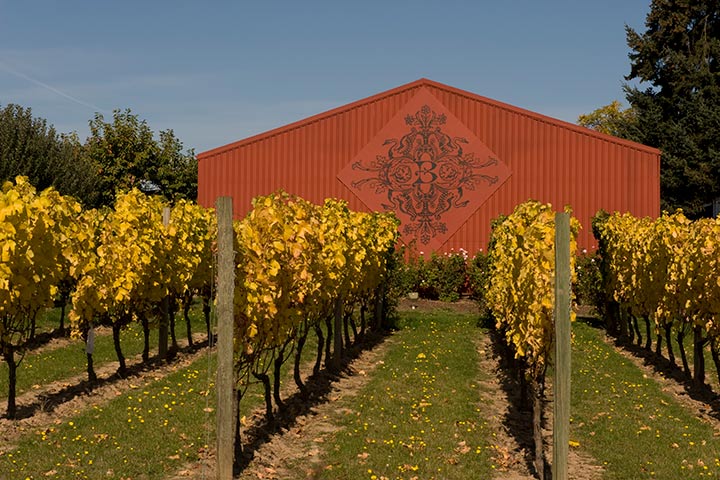
The Four Graces Estate in Dundee, Oregon.
FFWS: What was the one bottle that got you into wine? Tell us the whole story. Tim Jones (TJ): If I had to pick just one bottle, then it’s going to be my first fermentation. I had a chemistry teacher in high school that introduced me to the science of fermentation. One afternoon I decided to try an experiment at home. My parents had a garden, so our freezer in the garage was usually stocked with fruits and vegetables. When I opened the freezer, out tumbled a bag of peas. The bag split open and peas spilled across the garage floor. I was planning to use something else, but since the bag was already open I wondered if they might ferment. There was only one way to find out. I scooped up the peas, jammed them into an empty wine bottle, topped it off with water, and sealed it tightly with a cork. The next step was to find an inconspicuous place to ferment the peas. One inspired idea was followed by another. My father was restoring an old car in the garage. I decided to hide the bottle of peas up under the wheel well. It was dark, warm, and out of the way. I had planned to check on the bottle regularly, but since I was a teenager I promptly forgot about the experiment within a day. About a month later, it was late summer and the garage had to be over 90 degrees. I was just sitting down to dinner with my parents when I heard a really loud “BOOM!” from the garage. The peas!
FFWS: No!! We’re afraid to ask what happened next. What happened next?! TJ: The experiment rushed back into my mind and my instinct for self-preservation kicked in. I ran out to the garage, trying to get there before my parents. I opened the garage door. The smell was worse than you can imagine. Somewhere between a beached whale carcass and a high-density feedlot. So bad. The bottle had exploded, spraying fermenting peas all over the garage and my dad’s car. I quickly cleaned up the glass shards and cork before my parents could find the evidence. My mom and dad were totally shocked and puzzled: “What’s that horrible smell?” “It looks like bubbling pea soup!” “Why is it carbonated?” “How did it get behind the fender? I remained silent and helped clean the mess. We went back to dinner with unanswered questions and never spoke of it again.
FFWS: Okay, pea soup aside. You attended Willamette University in Salem, Oregon, but what did you major in? How did you catch the winemaking bug and when did it become something you decided to pursue as a career? TJ: While I was a student at Willamette I took a job with a catering company working weddings at Rex Hill winery. If I was lucky, I got to take home bottles of wine at the end of the night. The wines were so much better than the typical college student wines, that I began to appreciate wine. Since I was a liberal arts student with an emphasis on Spanish and History, I decided to study abroad in South America. It was in Chile and Argentina that I really started to consider winemaking as a potential career.
FFWS: What is it about Washington wine country that lulled you? Why not California or Oregon, or Chile? TJ: After I finished studying abroad in South America, I decided on winemaking as my path. A family friend is a winemaker in Washington and he recommended I take a job as a harvest intern. My first harvest was at Matanzas Creek Winery in Sonoma County. I loved the experience so much that I spent the next five years working all over Sonoma and Napa. I eventually went back to school to study winemaking at UC Davis. When I graduated, I saw moving to Washington as an adventure. It was an opportunity to make wine in a new environment and a relatively young industry compared to California.
FFWS: Tell us a bit about one, or a few of your mentors. Who are they, where did you meet them, what did you learn from them that you’re still using today? TJ: I have had so many mentors, especially early in my career. I appreciated how accessible and helpful they were, because they knew how difficult it can be to break into the wine industry. One, in particular, was David Stevens, a wine consultant in California. David was always willing to give career advice, plus he let me sit-in on his OIV wine marketing courses. All of these mentors helped me to understand the diverse roles of a winemaker, and gave me the confidence to know that sometimes it’s best to wait, rather than act too quickly.
FFWS: Talk to us about the style of wines you’re making at Four Graces. TJ: I’m very excited about the future of The Four Graces. We have three estate vineyards, all in unique AVAs: Dundee Hills, Yamhill-Carlton, and the new Van-Duzer Corridor. All of our winemaking decisions are going to be based upon discovering and developing the unique characteristics of these sites. For a winemaker, especially one that specializes in Pinot Noir, this is a dream come true. Letting the vineyard dictate style creates the most distinctive, most interesting, and best quality wines. Oh, and I’m not going to make any wine from peas ever again.